The winter of 2009/10 is still quite young, and no one knows what it holds. But at this early date there is one thing I can say for sure – when it comes to snow crystal photos, it won’t be the worst winter ever.
I don’t feel like digging into my records to figure out which season exactly was the worst. I first started photographing snow crystals in 1997, and the first few years I worked on it were a real challenge – especially shooting very unforgiving color slide film. But there was one year when, even with digital cameras and a refined and predictable technique, I only managed two good shots. It’s just a question of what nature tosses your way, and if you are there to receive it.
That is part of the deal with nature photography, at least as I practice it. You take what the earth gives you. Sometimes it is generous; often not. And when not, you just get up and go back out, faithful that things will change. Whether it’s hunting for snow crystals, visiting a pine barrens, hoping to find wildflowers or dragonflies – sometimes nature is bountiful, sometimes not. And often you come home with nothing to show for the effort.
Some days I wish that it all could be easy. Maybe I could fly to places where the subjects I want to photogrpah are right there waiting. I’m sure dragonflies are on the wing somewhere. Snow crystals fall in perfection someplace else. Sometimes I feel that I lack dedication, and if I was really serious I would not just shoot photos in my little corner of the world, but rather would go where the subjects are, and really produce. It could be easy… and rewarding.
But if I have learned anything from observing nature, it is that the easy is the most unnatural. And if I have learned anything from art, it is that the product is a distraction and it is the process that is the most compelling. So while bleak winter days can be unrewarding; while a whole winter can pass and yield just two snow crystal photos; while there are days I return empty handed, again; and nights dark with doubt – ultimately it is part of the dance, part of the process, part of creation. No matter what, it’s a blessing and not to be denied just because there is nothing to show for it.
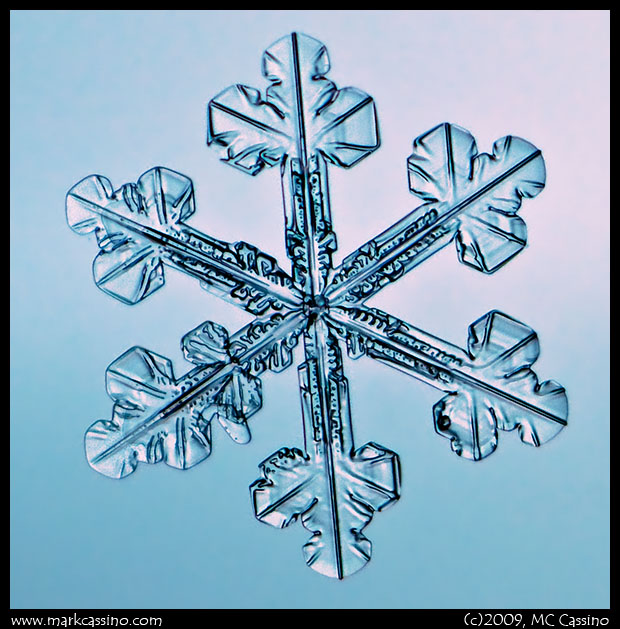
Yeah – I know – try explaining that to folks who ask “But what did you do today?” So I am happy to record in my journal – “2009/10 is not the worst winter ever wrt snow crystals.”
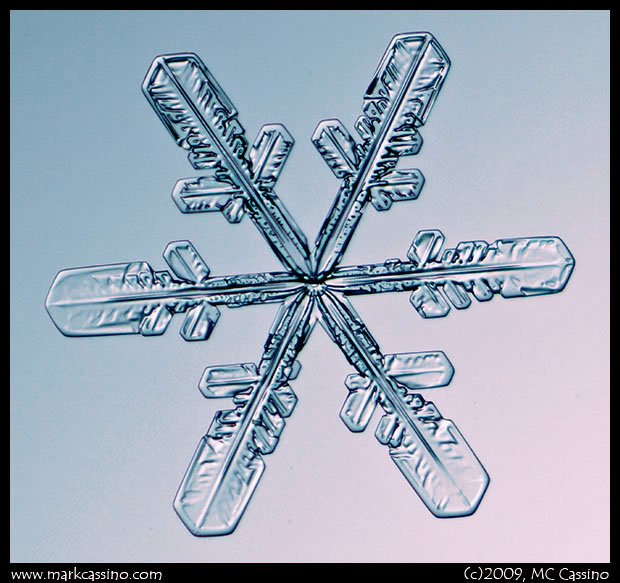
And so here we go – two more shots from Sunday night, embedded in this post. The session was not quite as productive as I had hoped, but there is at least another shot in the works and what the heck – did I mention that this is not the worst year ever when it comes to snow crystals?

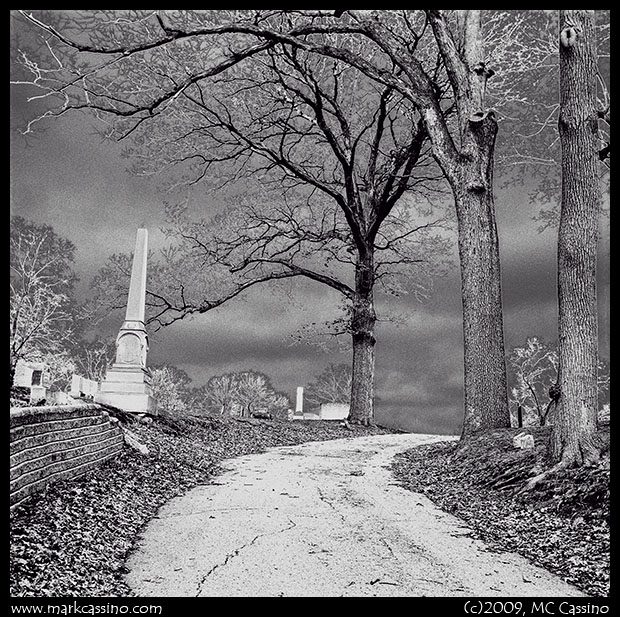
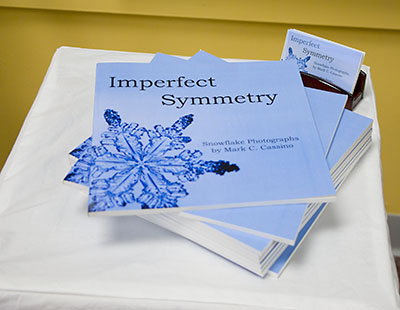 There were a lot of requests for and comments about B&W photography – I think more than in past years. Maybe it’s a backlash against the omnipresent digital color work out there. Maybe it’s just the luck of the draw with regards to the people I chatted with. Either way, it gets me more fired up to get out and shoot some B&W film. Heck, I may even go back and look at the several hundred B&W exposures I shot last summer and fall, but so far have done nothing with…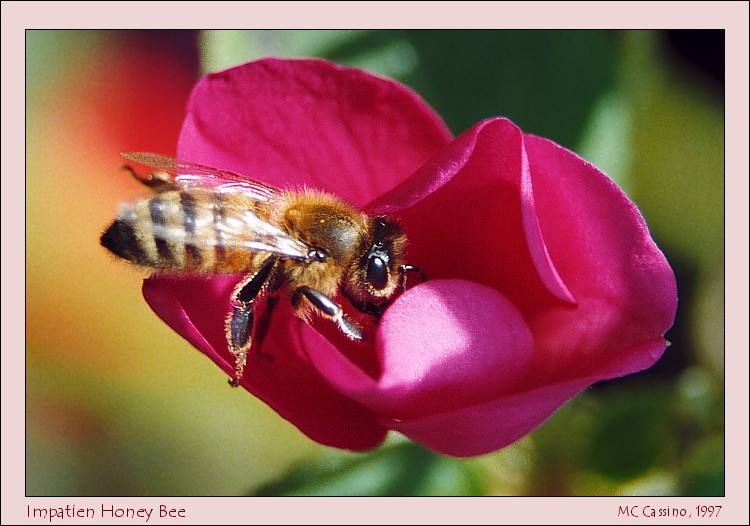
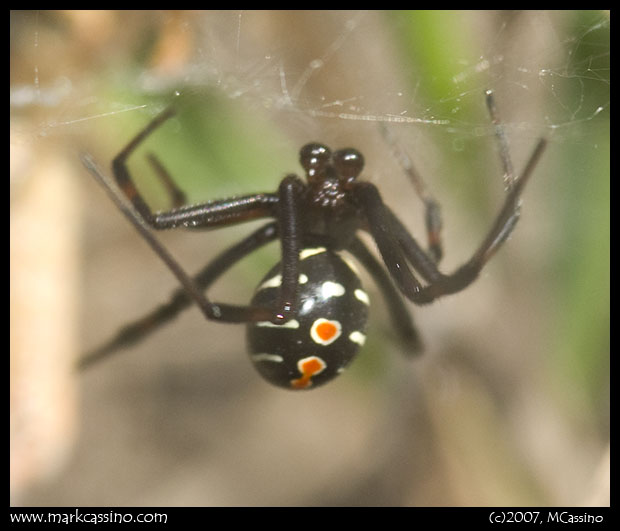
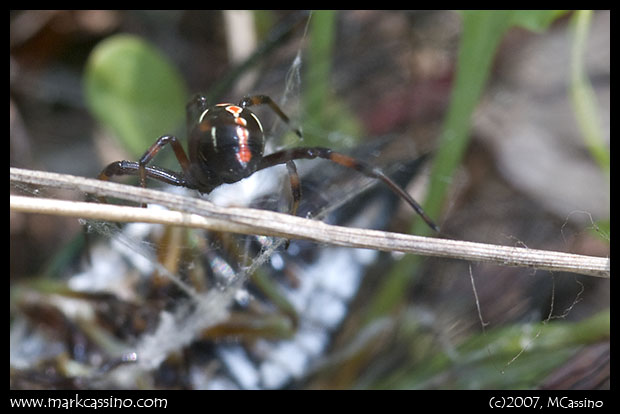
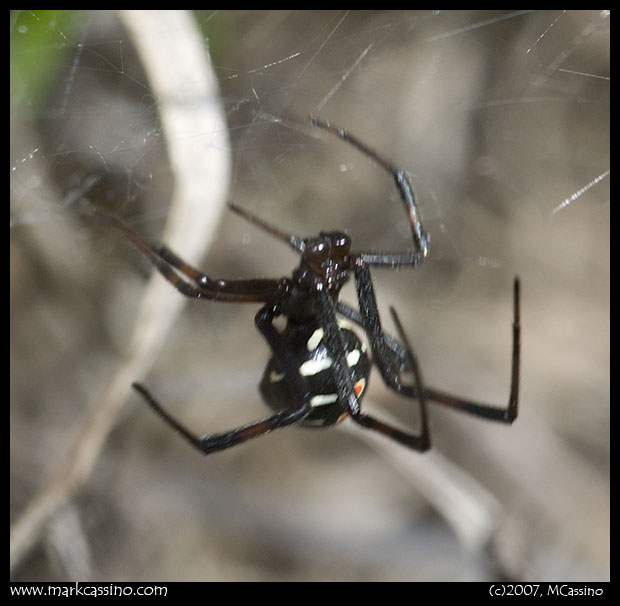 It was interesting to actually observe these spiders in action. I had always wondered why these spiders had such intensely strong venom, and figured that it was just an example of randomness in evolution. After all – a spider simply has to have venom strong enough to kill prey. There is no downside to having venom far more powerful than the minimum needed, so if a species happened to evolve with super-potent venom, there would be no evolutionary pressure to move towards a weaker poison. The species would continue with venom stronger than needed, simply because it works.
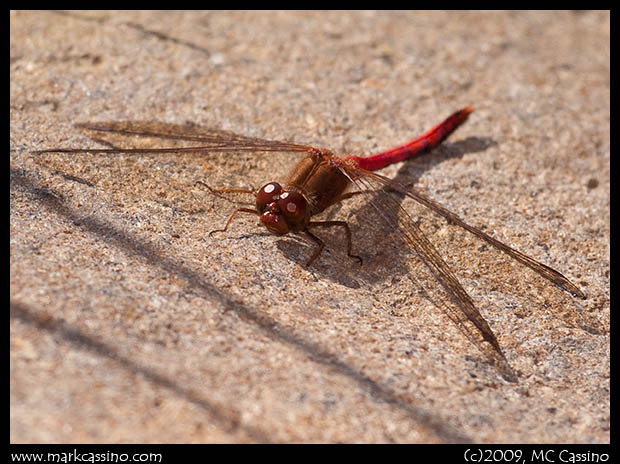
 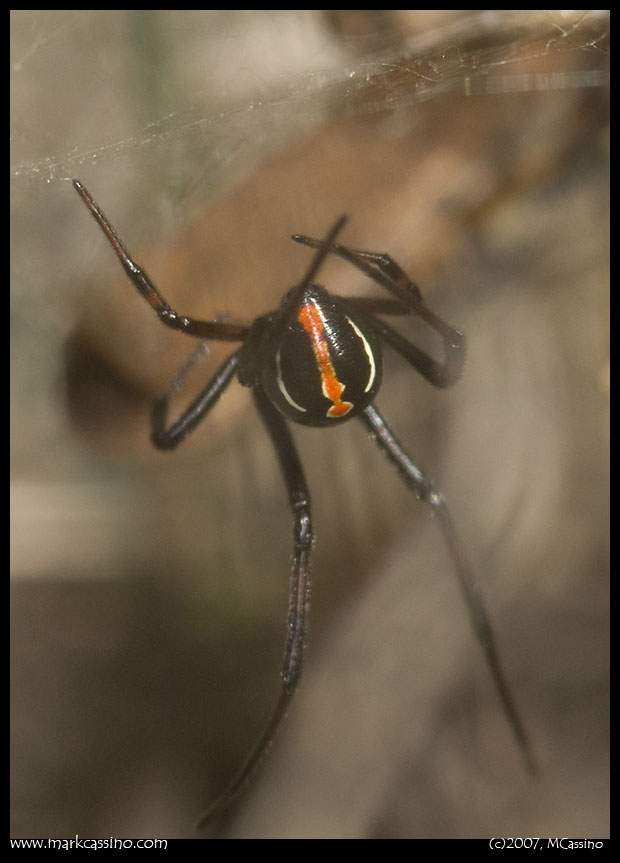 Since I first observed these spiders while lying on the ground, shooting low perching dragon flies, their presence in the fields is a little bit of a concern. While these spiders only bite as a last resort – I can easily see myself laying a bare arm on top of one while lining up a shot of a dragonfly, bee, or butterfly.