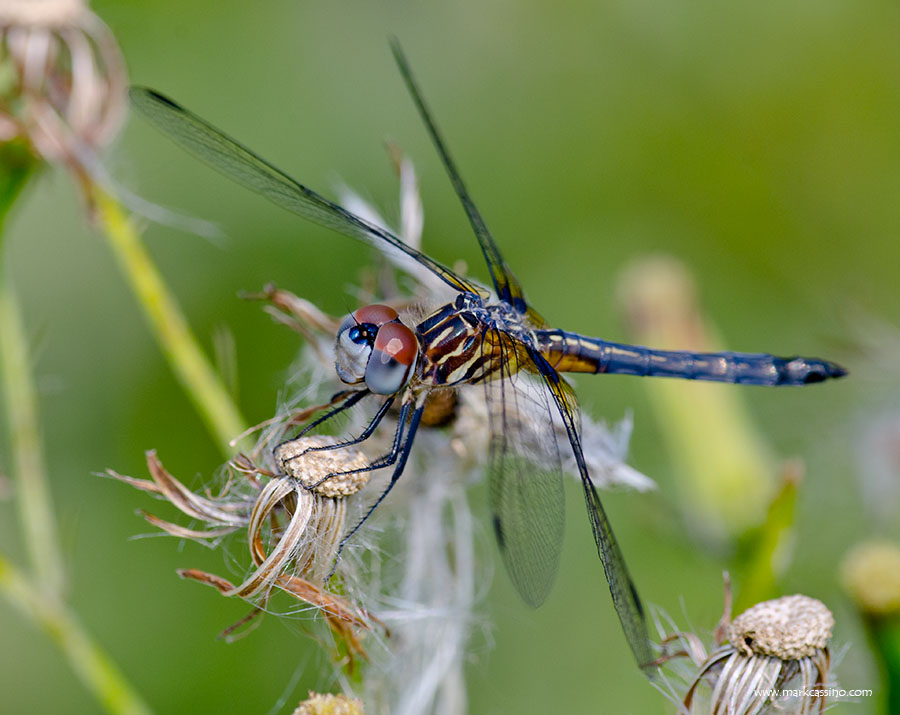
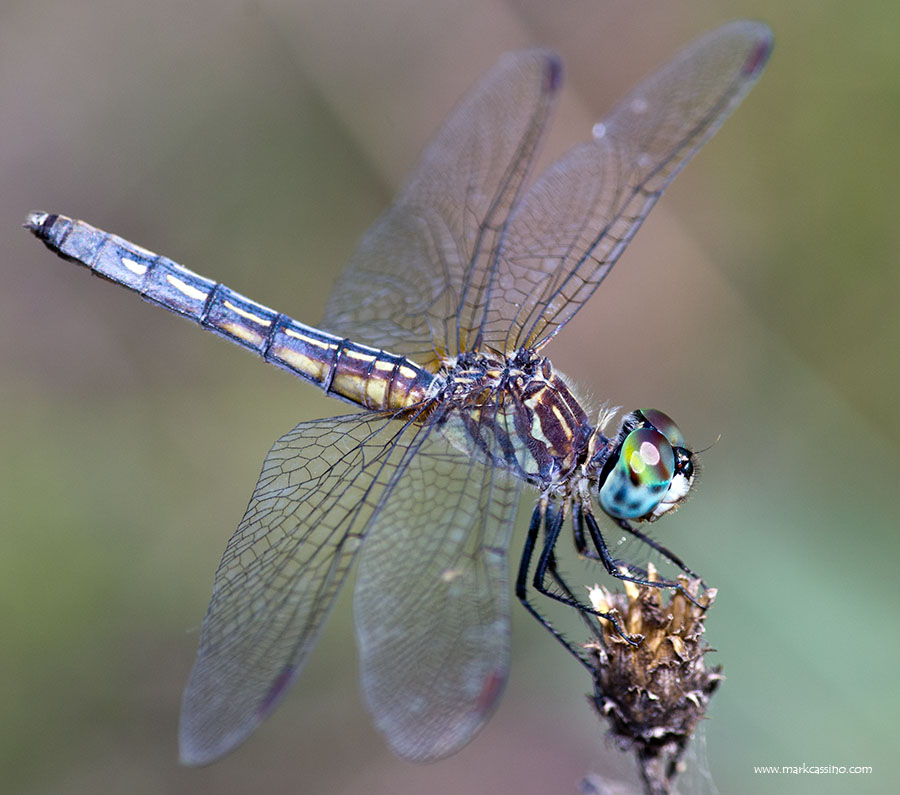
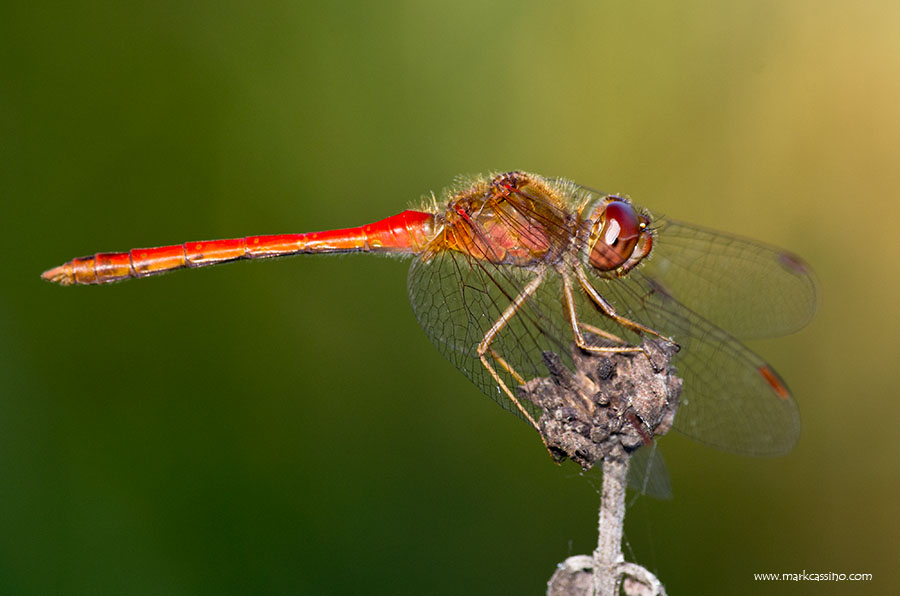
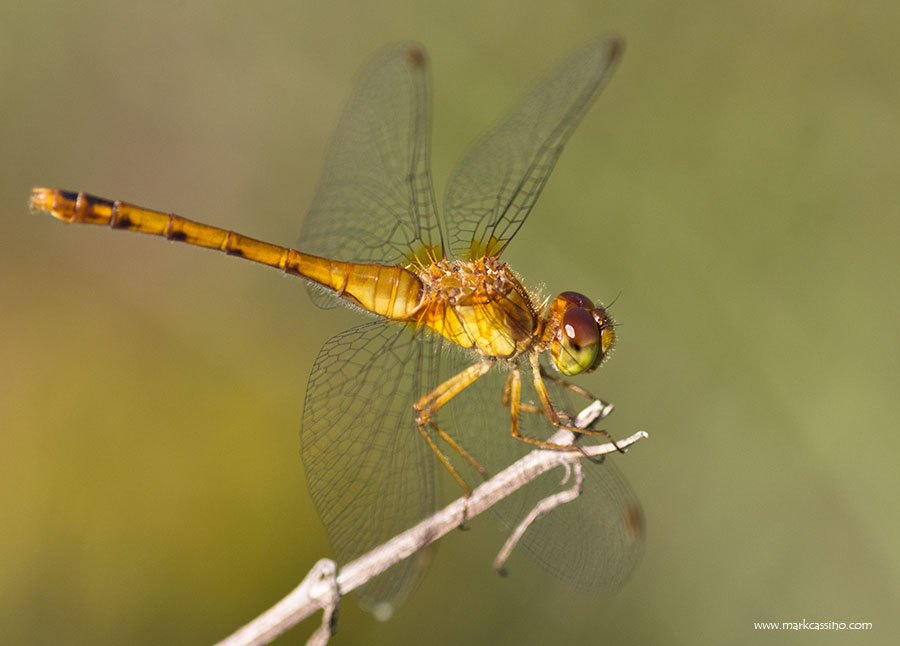
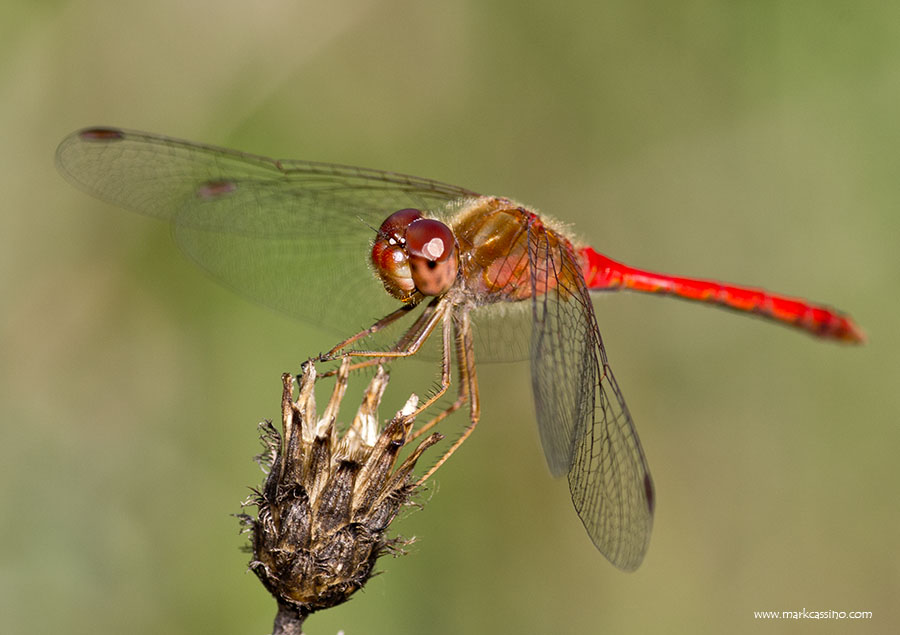
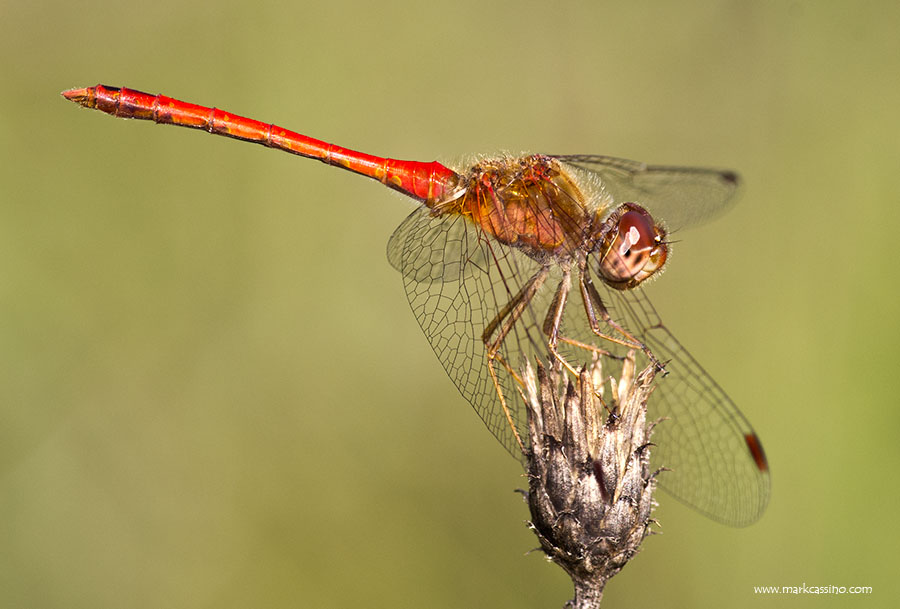
I’m really enjoying my new Pentax Q kit… the dang thing is just so much fun I find myself snapping shots like crazy, but somehow I feel that when I want to take a serious photo, it is there. It is just a joy to use, unlike most compacts that I’ve tried.
But in one area I have hopes for serious applications - and that would be in the realm of extreme macro photography. I’ve commented before that the very small sensor size found in compact cameras is a real boon to macro photographers because it allows for excellent DOF at wide apertures. The Pentax Q with a K to Q adapter applies a 5.62x crop factor to the focal length of lenses. So that D-FA 100mm macro turns out to be a 562mm macro… Very cool.
The great thing about the Q and SLR lenses the macro work is that the lenses give tons of working room. You can quite easily shoot a small bug from a yard away (with the 200mm lens) and get frame filling shots.
But, the Q’s tiny sensor poses a challenge to any optic. The photo receptors are so small that only the highest resolving lens can take advantage of them. Diffraction takes a toll at fairly open apertures and small amount of color fringing can make an image too soft to use beyond web sized images.
So I’ve been testing the Q with a variety of lenses. Here are the results so far (I have a lot of testing to do yet.)For each image there is first an un-cropped full image (reduced to web size) followed by an Actual Pixel crop.
All of the shots below were taken with the camera and lens firmly on a tripod, usually using the 2 second self timer to minimize any shake from pressing the exposure button. No flash was used. Had I used flash I think that the apparent detail could have been higher, since proper lighting can accentuate details.
Macro lenses first, in descending focal length order.
Pentax A* 200mm f4 macro:
Well, you’d *expect* a lens like this to deliver, and it does a fine job. Clearly the best I have tried so far.
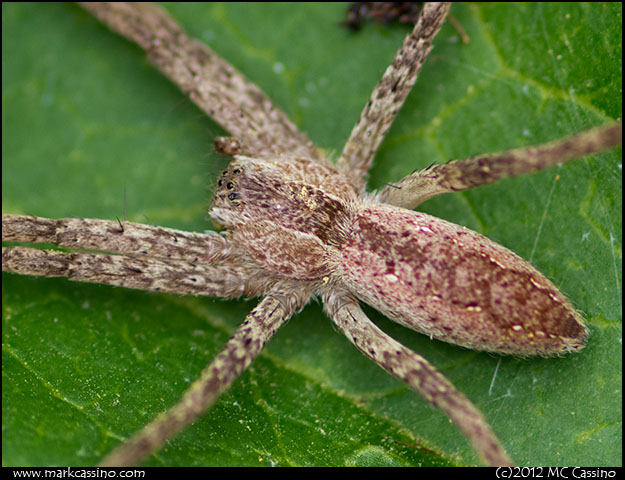
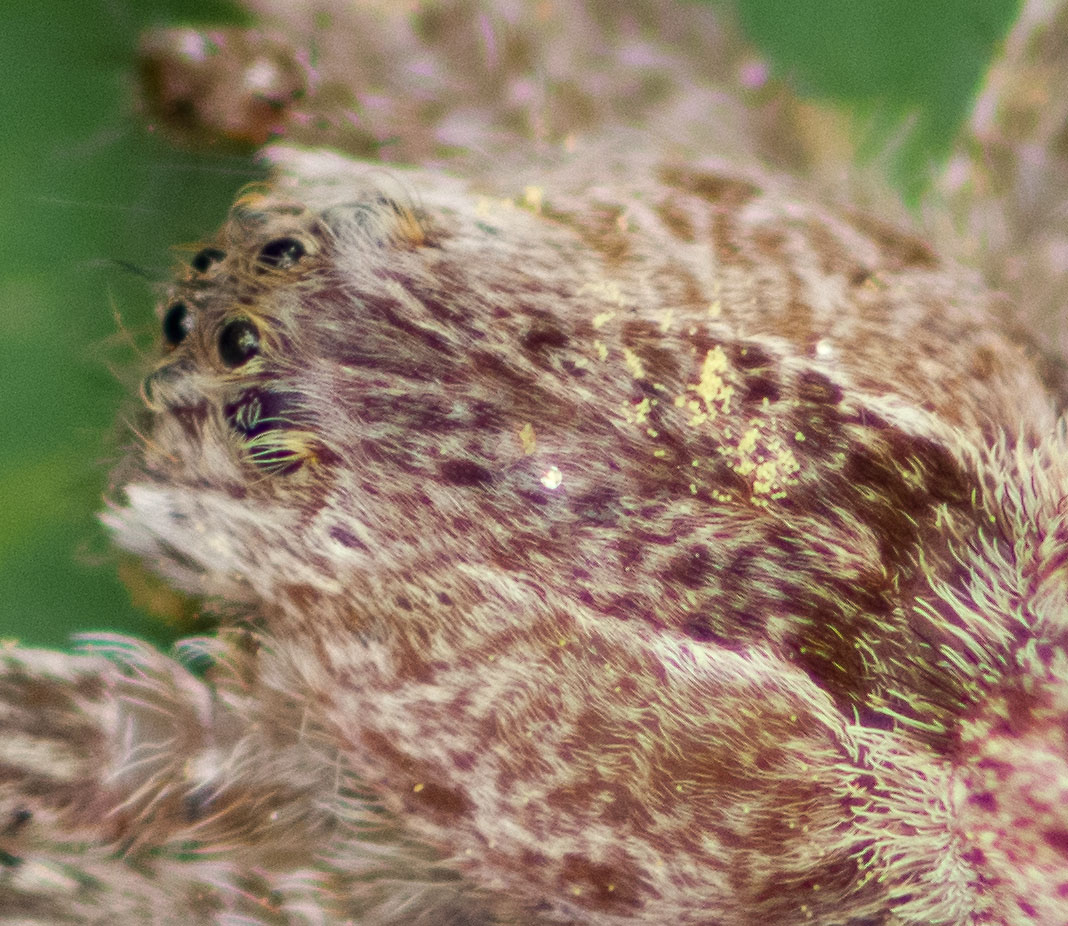
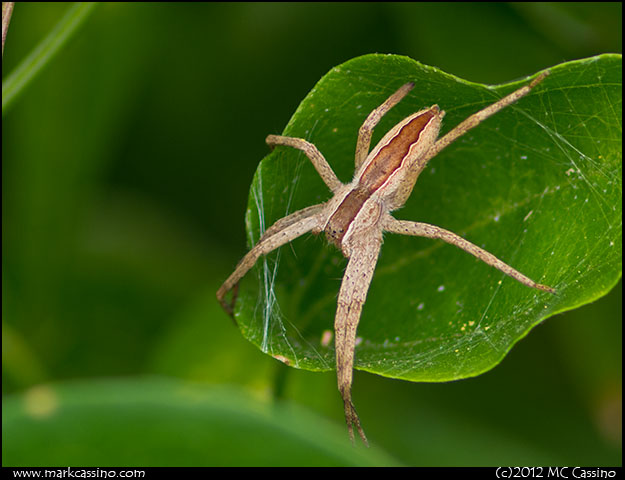
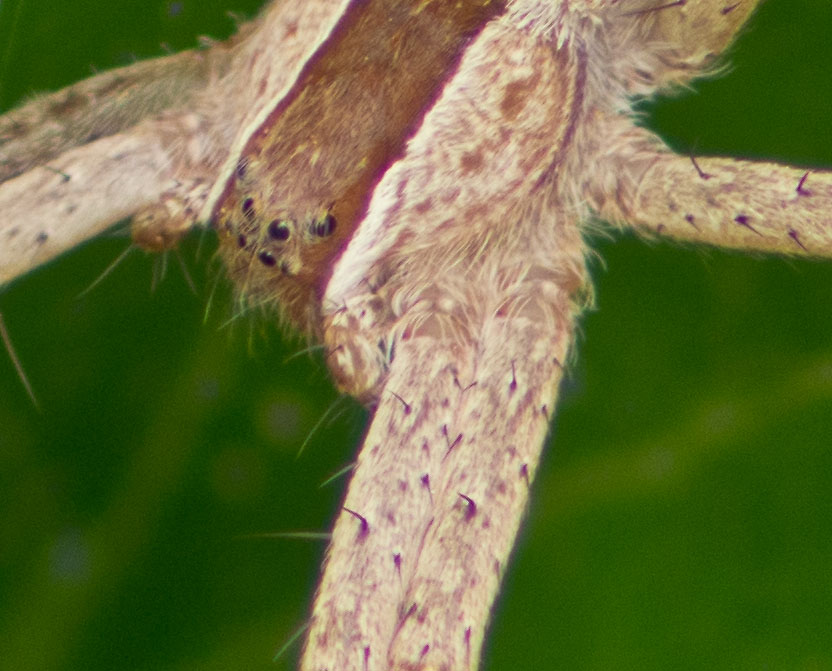
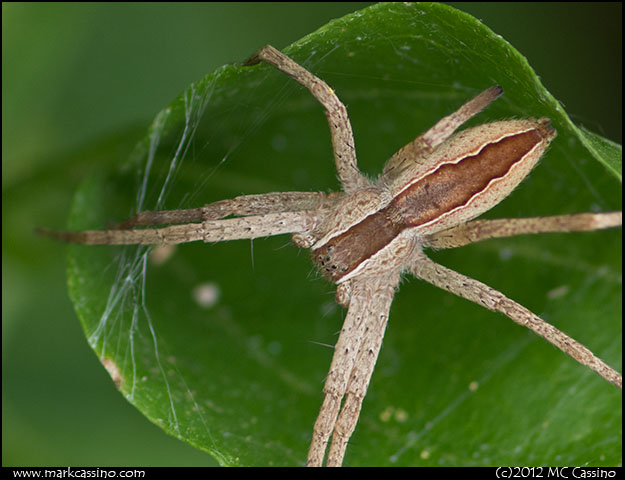
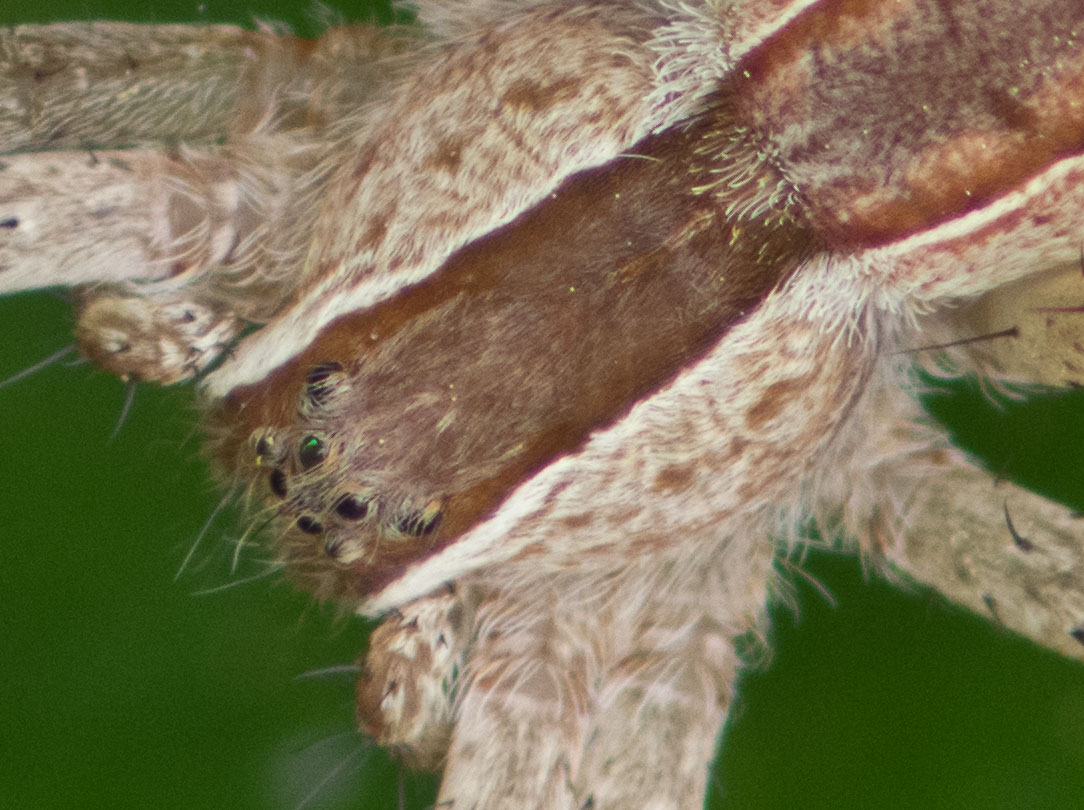
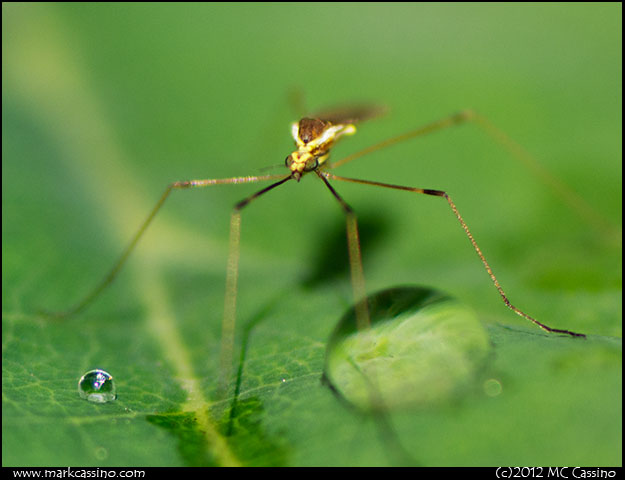
Here are 3 shots, with actual pixel crops following. I took these on breezy overcast day, so I pused the ISO a bit. The first shot is ISO 640, the second two are ISO 800. The Q can get noisy but keeps the color noise down. Overall, I find ISO 800 workable, which is a surprise.
I think the shots above are at f 5.6. I did a series of shots, starting at f4 and stopping down a click with each successive exposure. By f 8 diffraction really impaired the level of detail. F 5.6 seemed to be the best compromise between sharpness and DOF. The last shot is at 1:1 magnification… Depth of field is still pretty tight even with the Q’s small sensor.
Pentax D-FA 100 f2.8
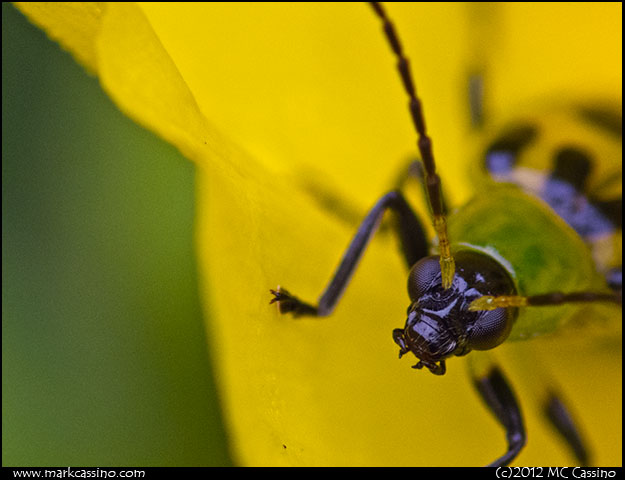
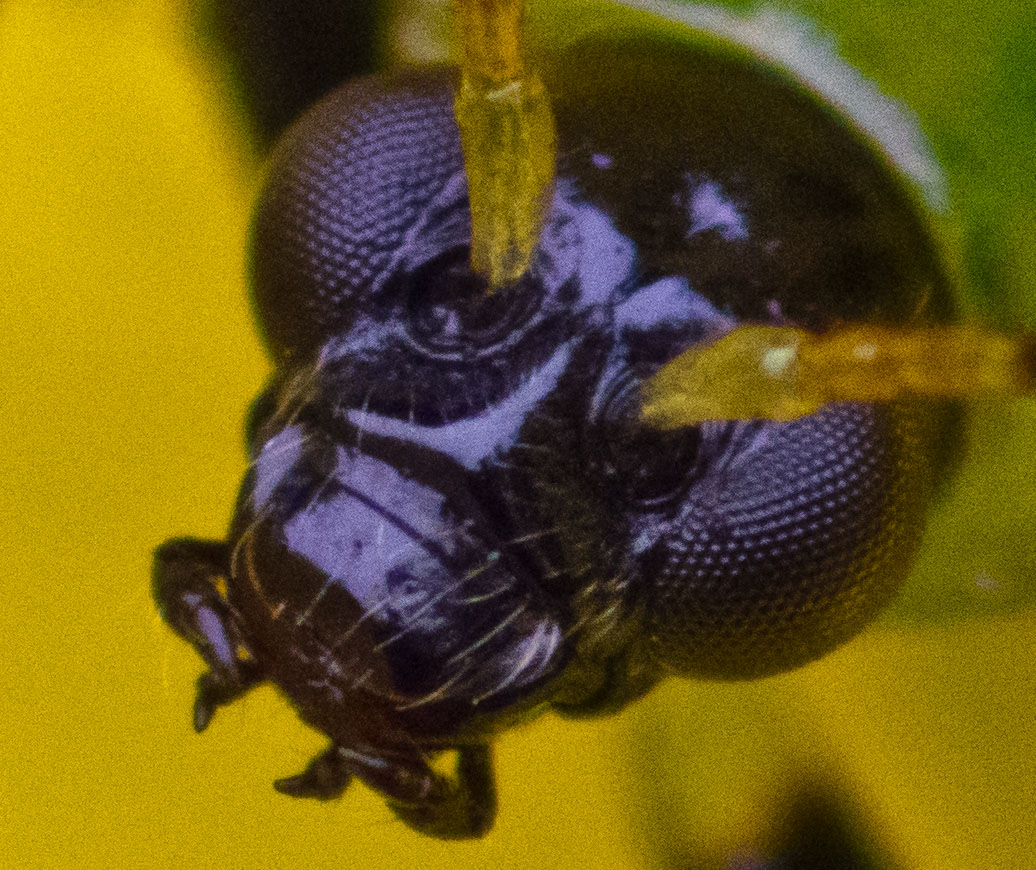
This lens fared pretty well, though not up to par with the A* 200. The shots below were taken at f4. The ISO was 250, 125, and 250 respectively.
Kiron 105mm f2.8 Macro
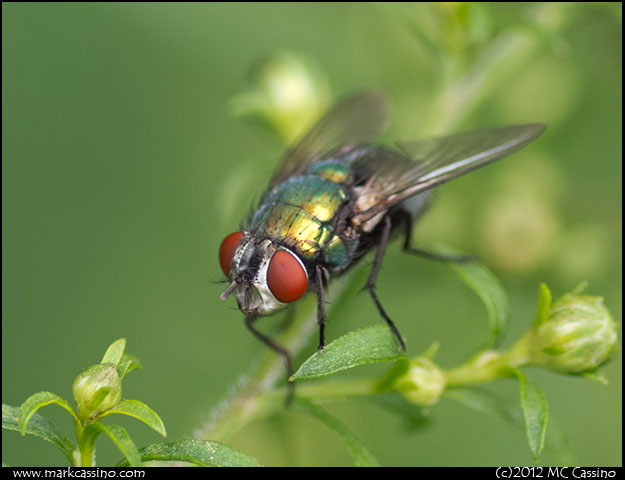
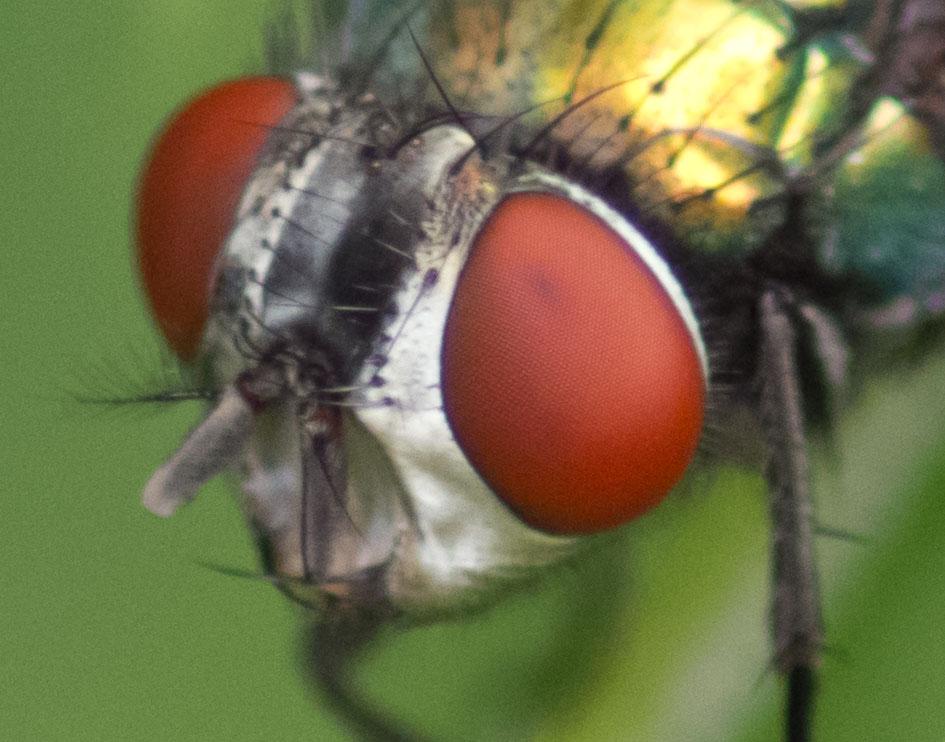
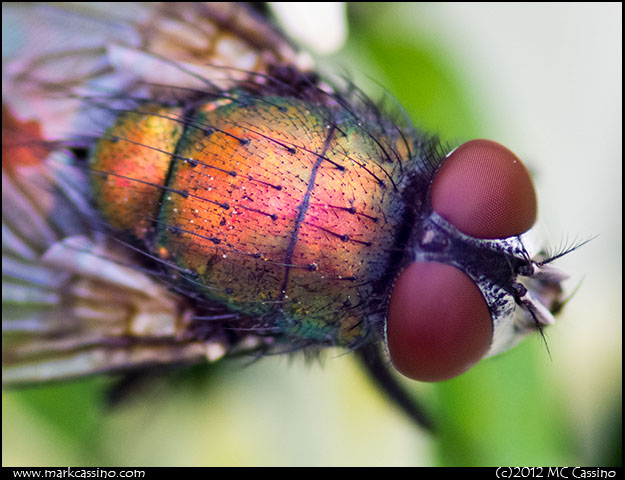
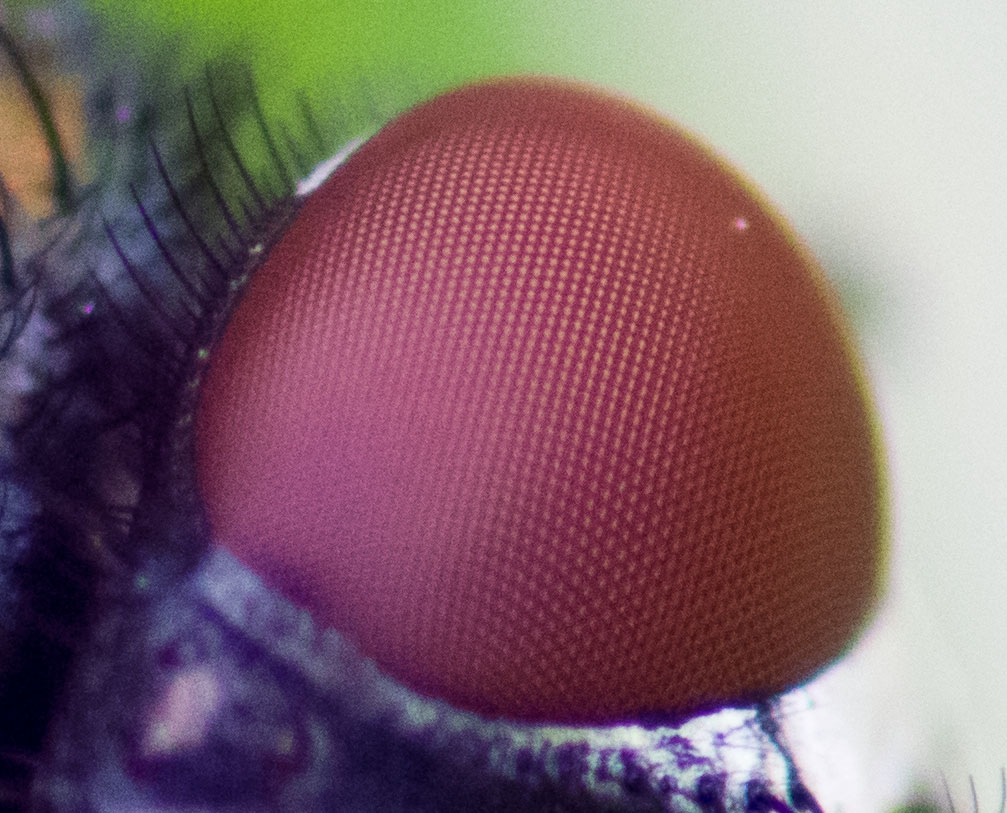
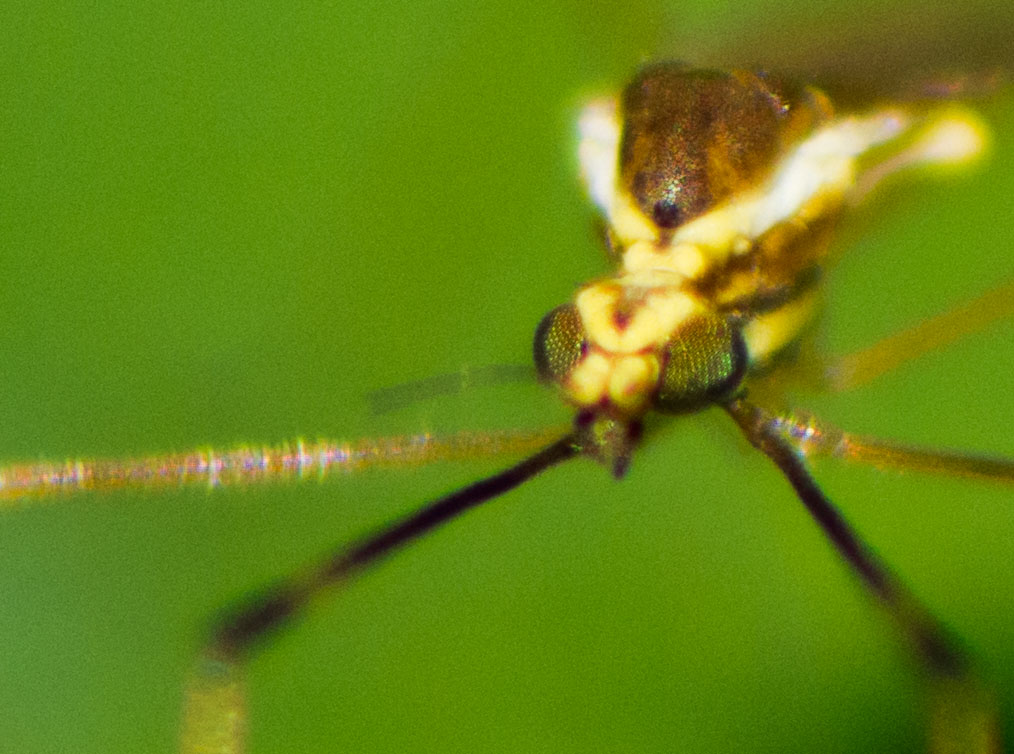
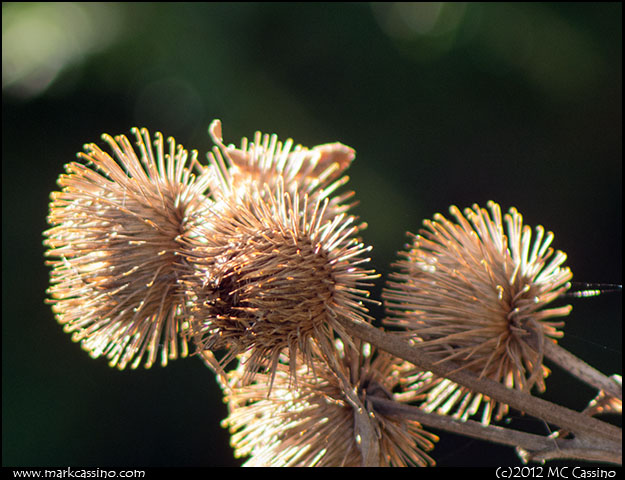
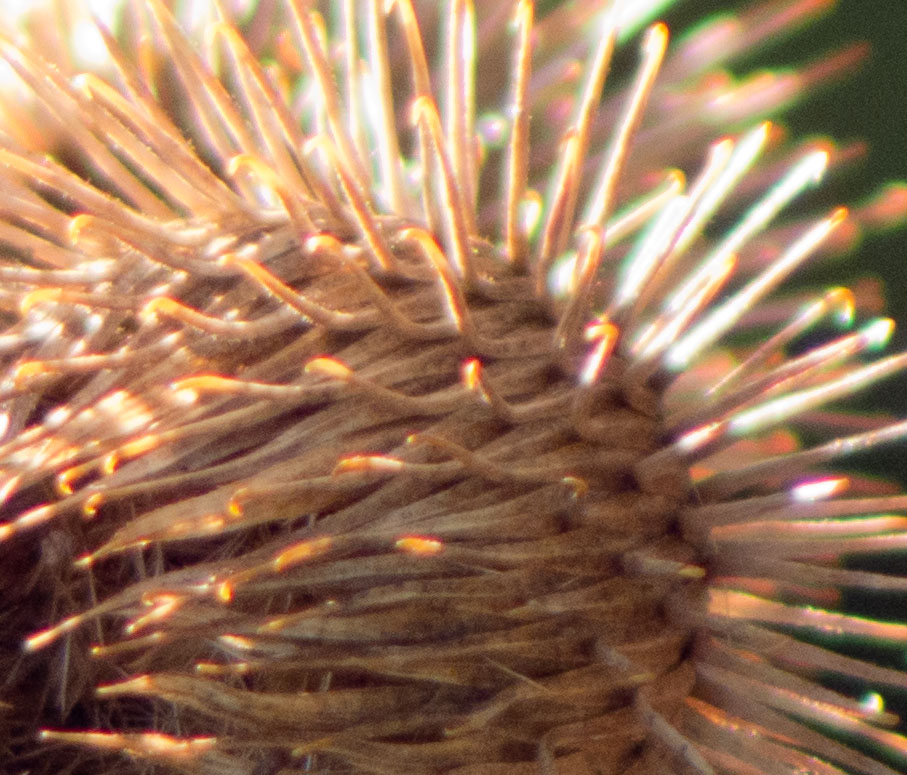
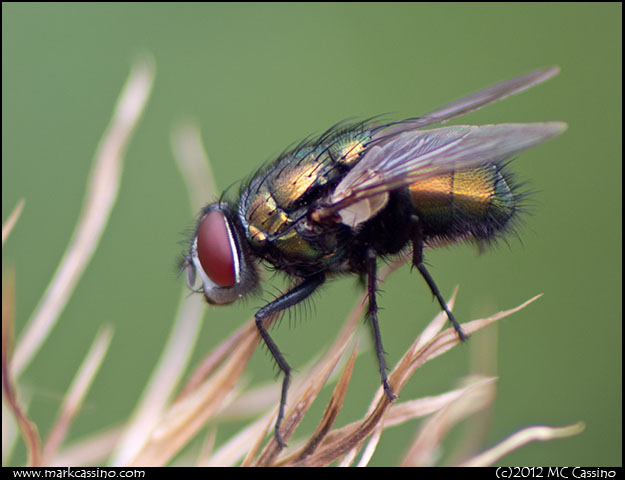
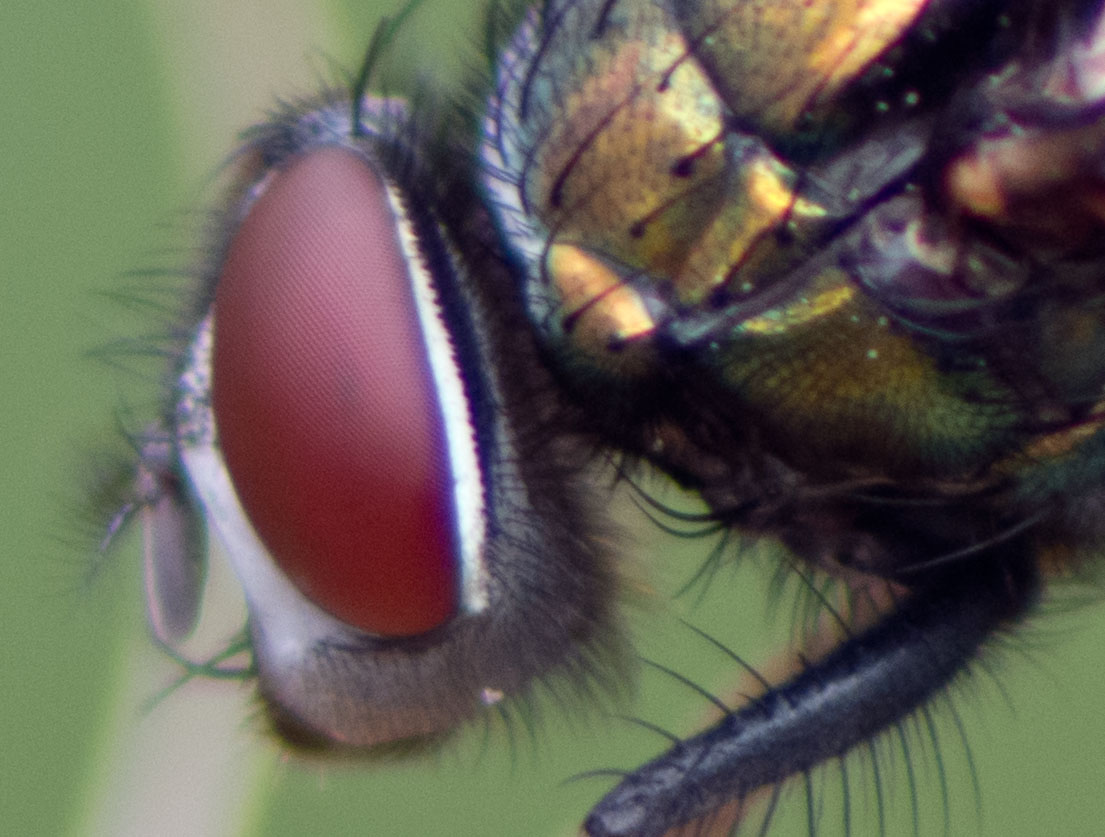
A legendary lens from the 80’s that back in the days of film was virtually unrivaled. Sadly, it is not up to the demands put to it by the Q. The chromatic aberrations in the fly shot really mess up the details in the eyes. The test shot of the cocklebur is just as bad. I’ll keep this for shooting with Tri-X!
These shots are at ISO 125 and 160 respectively - so while the Q is pretty good at higher ISO’s, it never gets to truly low noise levels at low ISO’s….
(Drat! That could have been a good shot!)
XR Rikenon 50mm f2
Rumors on the Internet persist - is this one of the sharpest lenses ever? Since the Q is pretty demanding, I thought I’d give it a try. I only made a half hearted effort - I put the lens on two 12 mm extension tubes and then back onto one. The sky was clear and the sun was bright, but the wind was gusting like made. I took less than 10 shots and decided to stop wasting by time… but then found this image stuck in the middle of a bunch of motion blurred photos:
That was at ISO 200. The results are close to the D-FA, and certainly warrant another try with this lens.
A* 300mm f4
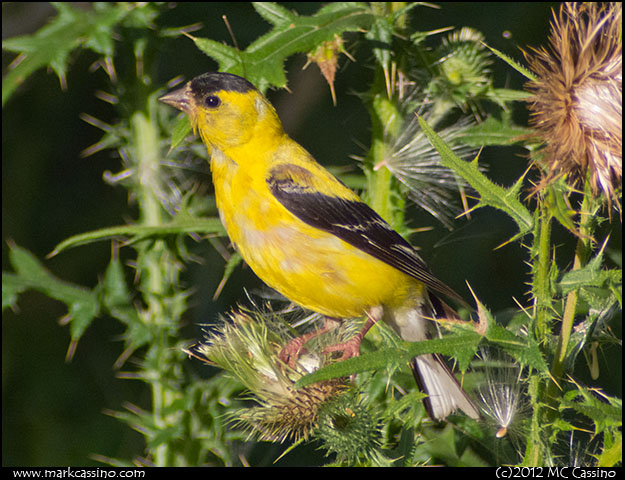
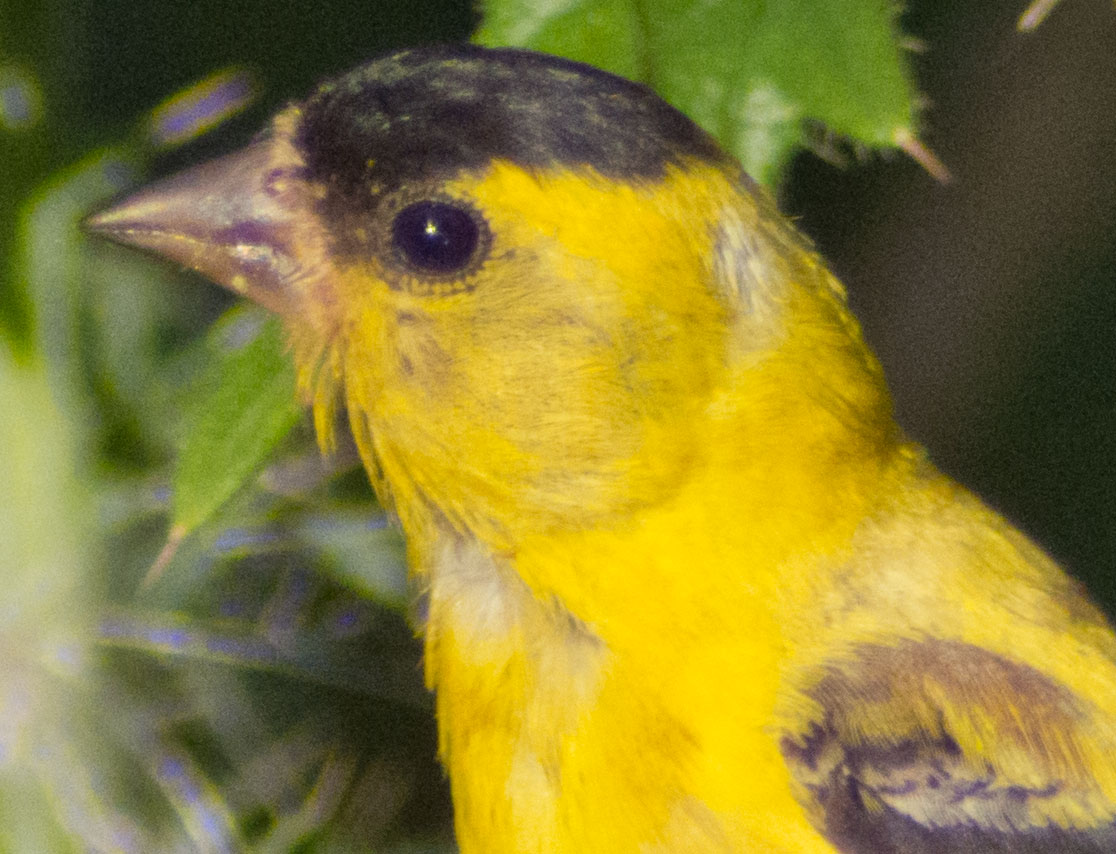
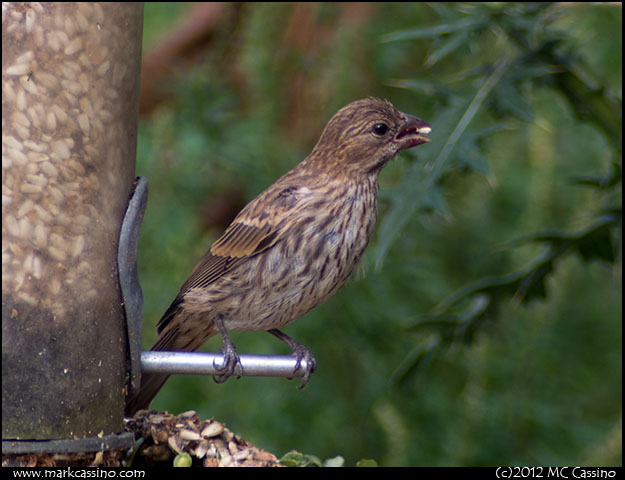
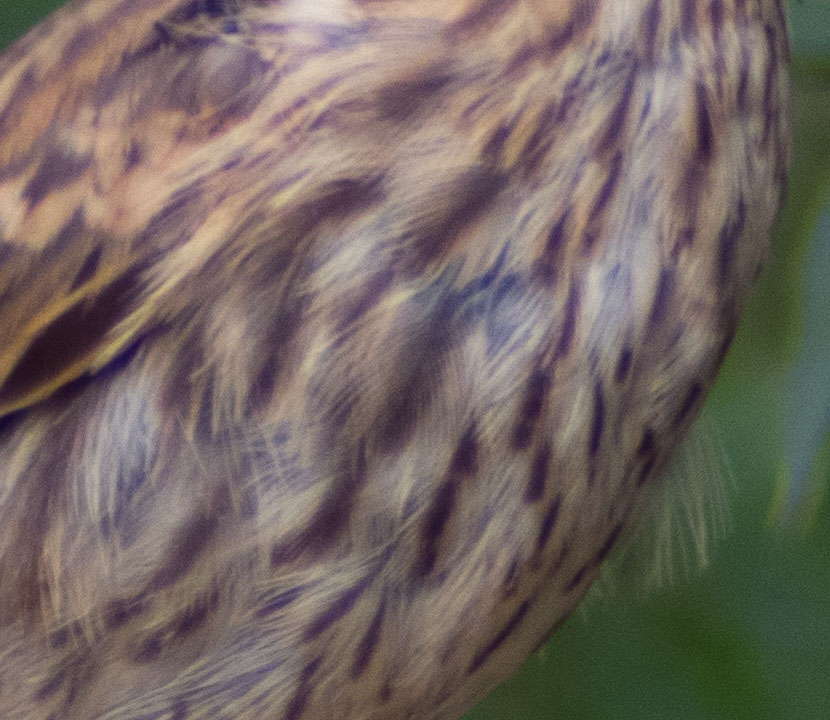
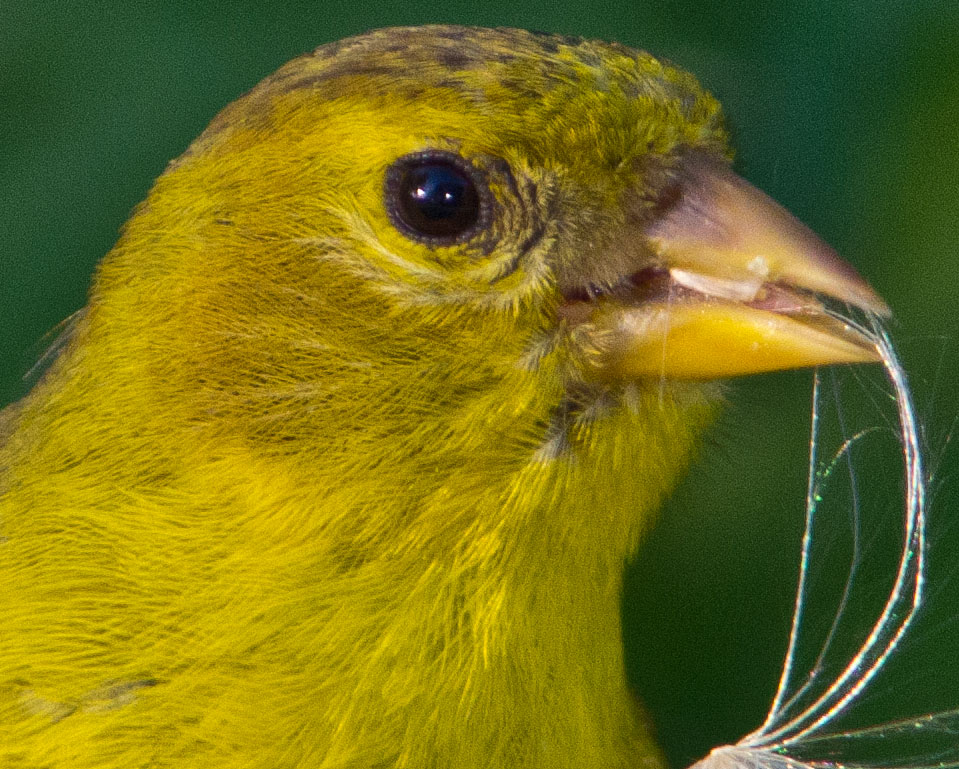
OK - aside form macro photos, I was also interested in using the Q as a compact birding camera, so I tested it with an A* 300 f4. On the Q this lens is the equivalent of a 1686mm lens on a 35mm camera. Unfortunately, the A* 300 was not up to the job - a couple test shots, first of a goldfinch and second of a house finch.
For an example of what I would *like* to see, here is an actual pixel crop of a photo I posted recently, taken with the Pentax K5 APS-C sensor camera and A*400mm lens with AF 1.7x converter (equivalent to 1360mm on a 35mm camera.)This is from a recent post.
Well - I’m still hoping for clarity like that on the Q. If you are peeking at the noise levels in the bird images - the top goldfinch photo taken with the Q was at ISO 500, the house finch, aslo taken with the Q, was at ISO 200. The K5 goldfinch shot was at ISO 800…
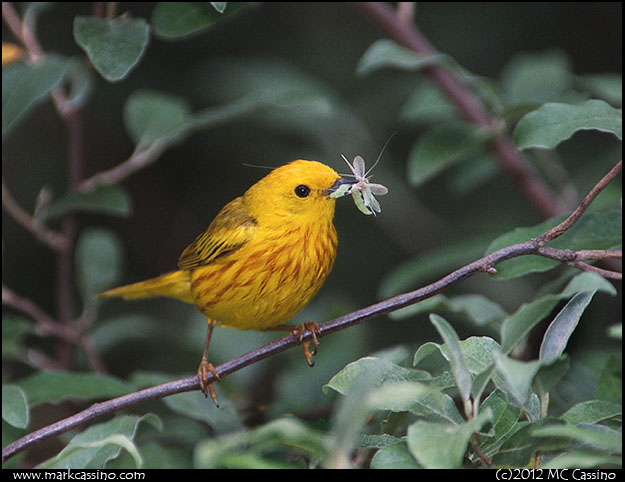
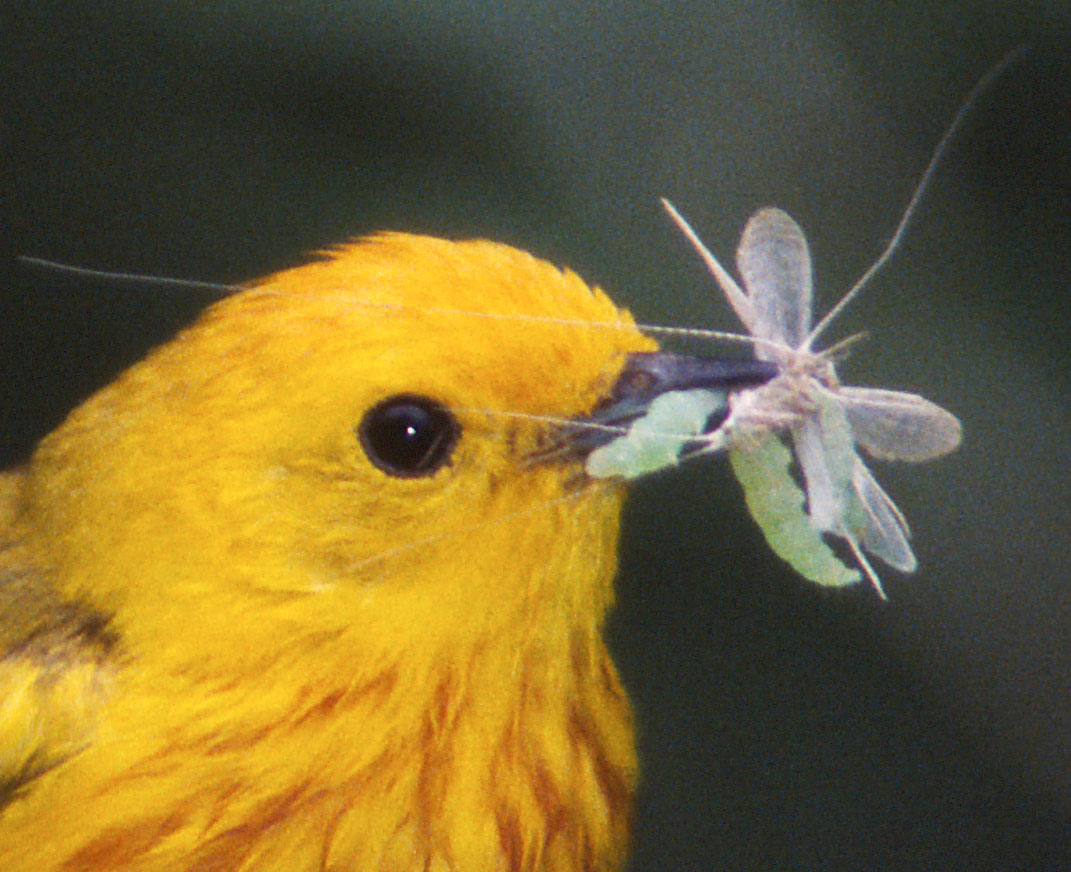
But, to give the birds photos some perspective, here is an old photo (circa 2002)of a Yellow Warbler taken with a Pentax Mz-S and the same A*400 / 1.7x converter setup as used with the K5. It was taken on Kodak E100S and scanned on a Canon Canoscan 4000F. I’d say that the level of detail - which at the time I considered to be quite good - and noise - which also was state of the art back then - is comparable to what the Q is producing with the A* 300. Well, the Q might not be quite as sharp… But, I certainly hope to get useable bird photos from the Q, ultimately.
I have a few more 50mm lenses to test yet - most notably I’d like to try the Pentax 50mm f1.7 (I have both an FA and M version on hand), SMC M 50 f4 macro, and Sigma EX 50mm f 2.8 macro.
For birds… I’ve finally come to regret selling my A* 200 f2.8…