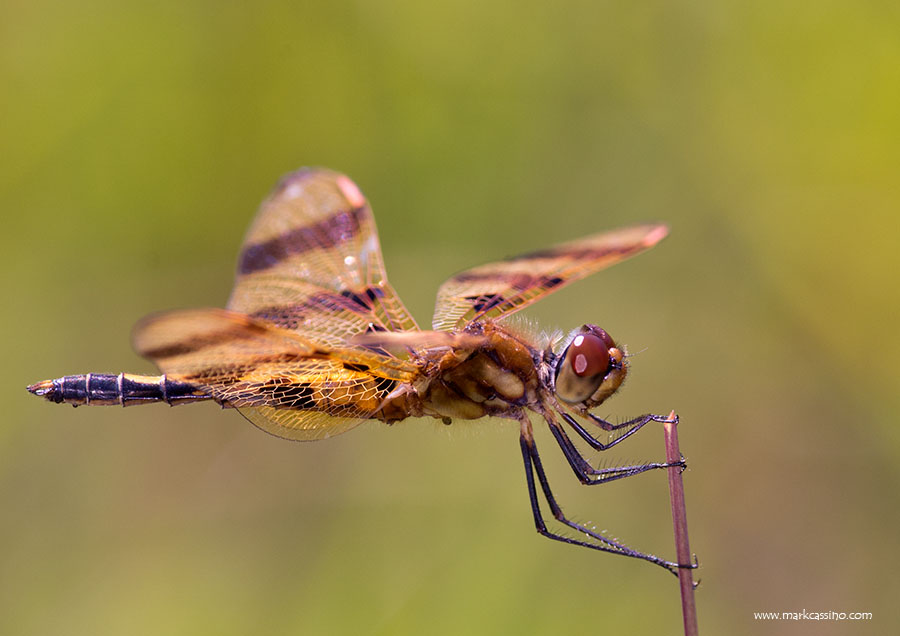
Categories: Dragonfly Photography, Odonata Photography
2012 Baker's Dozen
January 15th, 2013Folks on the PDML have been posting their 12 best shots of 2012 lately… I’m a little late and can’t say that these are my best shots, but they are my favorites for the year. To make it a baker’s dozen I added an older shot that I finally worked on enough to be happy with in 2012. So here are my 12 for 12 (click on images for a larger file):
Snow Crystal (January, 2012): It barely snowed at all here in SW Michigan in 2012, but I managed one nice crystal shot in early January:

Spring Colors (March, 2012): Why wait for fall for foliage colors? Spring tree blossoms and buds captured on color film wiht the Pentax 6x7:
Around the House (April, 2012): My boy Jazz - psycho cat Qu’est-ce que c’est? Made with a Pentax LX and Kiron 105mm f2.8 macro lens on Fuji Neopan 400, rated at 400. Developed in D76 1+1.

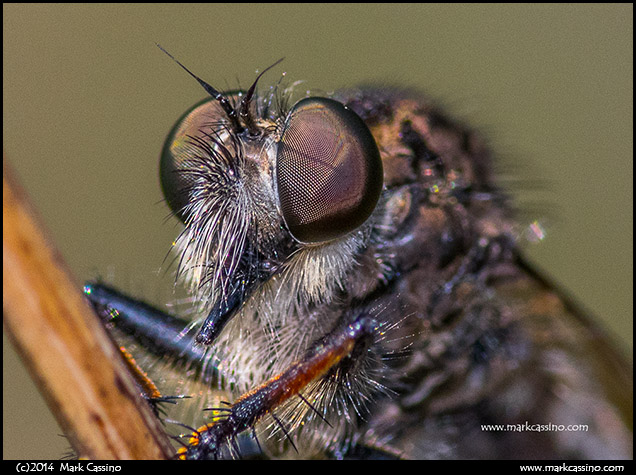
Jumping Spider (May, 2012): Pentax K5 and A* 200mm macro:

Ebony Jewelwing (May 2012): A common but elusive damselfly. Pentax K5 and A* 200mm macro:

The Jewelbox, St. Louis, Missouri (June, 2012): Sort of a street photo. Infrared converted Pentax K10d:

Gateway Arch in Infrared (June, 2012): Speaking of St. Louis… note the troop of Boy Scouts in the lower left corner, best seen in the larger file.

Visitation #1… (April, 2012) If these photos were music they would be pop songs…. nothing wrong with that but sometimes you want to really rock out. So I started the Visitation Project in the spring of 2012. Pentax LX, Kiron 100mm macro, Neopan SS pushed to 200 and souped in D76 1+1:

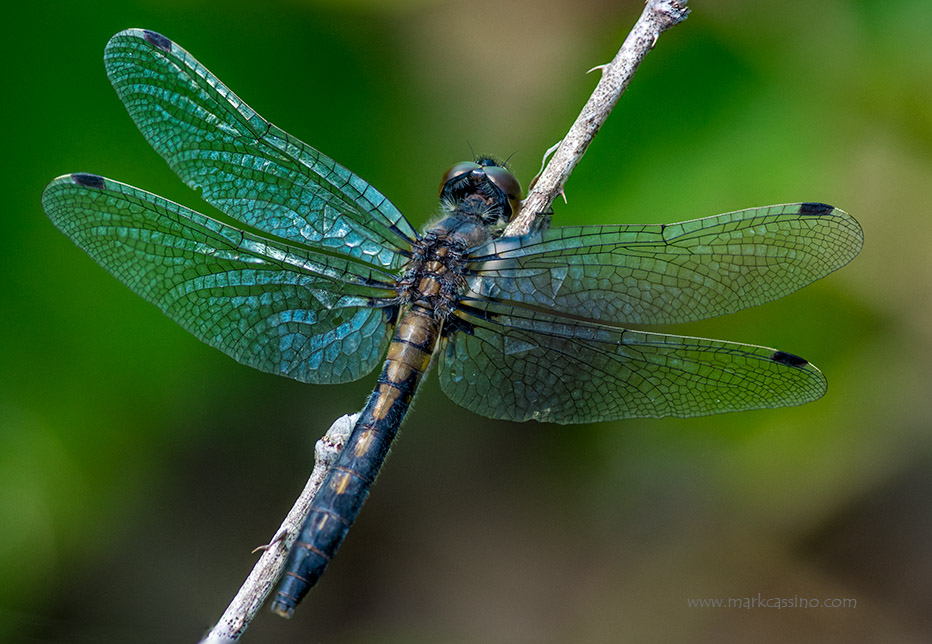
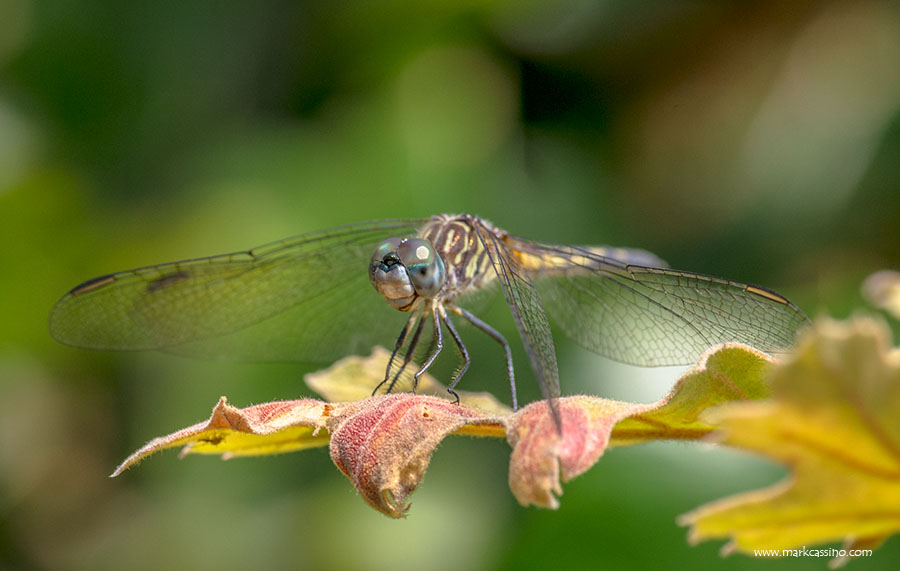
Dashing Blue Dasher (August, 2012): Ever a favorite Dragonfly - the drought this year really hit the mid and late summer species, so the Blue Dashers hung around for a long time.

Finches and Thistle (August, 2012):I let a few bull thistles grow in my wildflower garden and the goldfinches loved them. Here’s one munching on the seeds. Pentax K5, A*400 f 2.8, SMC 1.7x AF converter:

Pastoral Scene (September, 2012): I traveled to central Indiana a lot in the last few months of the year and bought a Pentax Q kit in late August to take on the road with me. Marvelous camera - a shot from my tavels:

Autumn Colors (October, 2012): 2012 brought a beautiful fall to West Michigan and I managed bump into it one October morning. Pentax K5 and DA 16-45 f 4 zoom:

Baker’s Dozen: The Shady Spot Taken in 2010 and worked on since then, I finally made a photo from this exposure that I like. I could say that I really like it. Pentax LX, fa 20-35mm F4 AL lens, Rollie 400 IR film, Hoya R72 filter.

Red Dragons - 2012
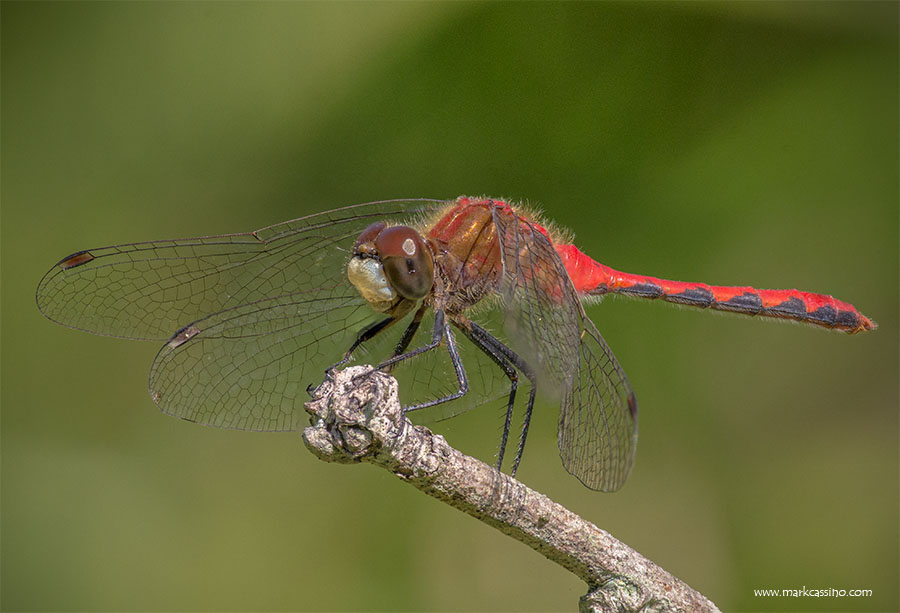
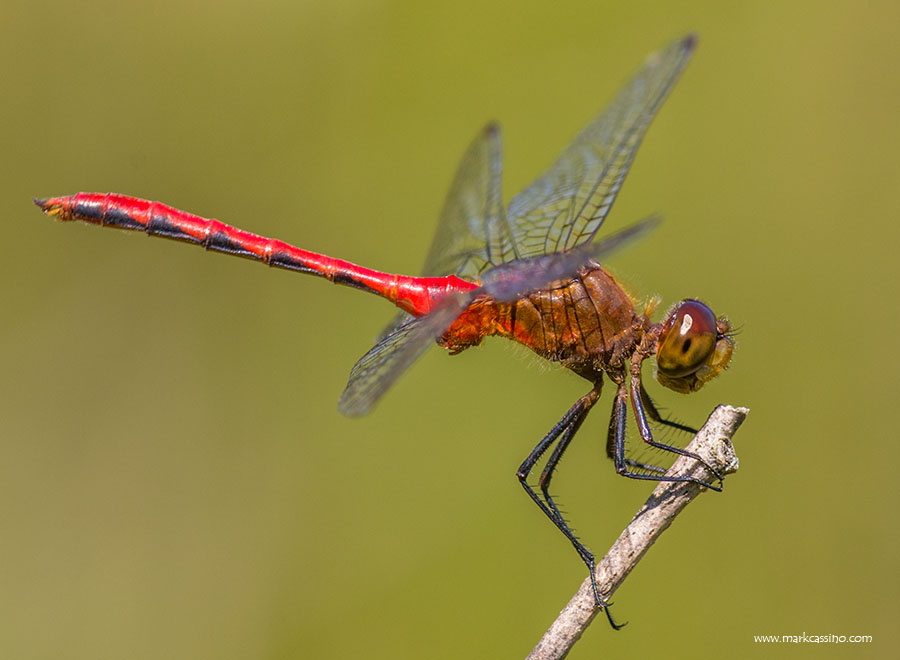
September 7th, 2012Here in Michigan red dragonflies appear in the middle or latter parts of the summer. The last dragonfly, which in the modern climate can linger till early December, is the Autumn Meadowhawk. In July and August I watch for these crimson harbingers of the fall, knowing that their arrival means that summer has peaked and that the day swill surely begin to shrink while night will blossom and grow…
Each year is different. Last weekend - the first in September - I finally spotted the first red meadowhawks. It seems that the dragonflies of spring and early summer have lingered longer than usual, and the red dragons are late or absent.
Here are a couple of Blue Dashers, a species that hits the scene in late May and early June, still lingering here in early summer (click on the images for a larger file):


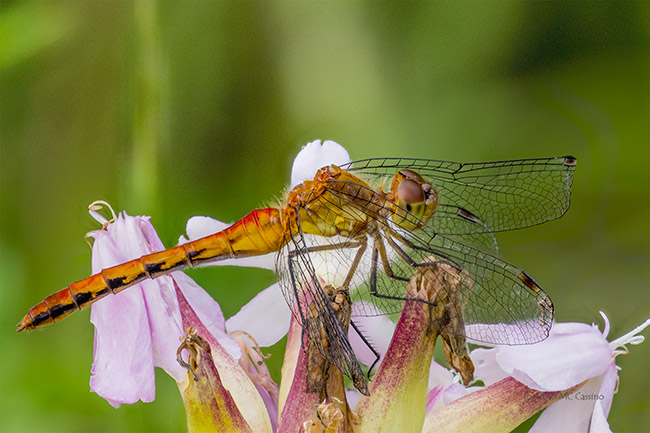
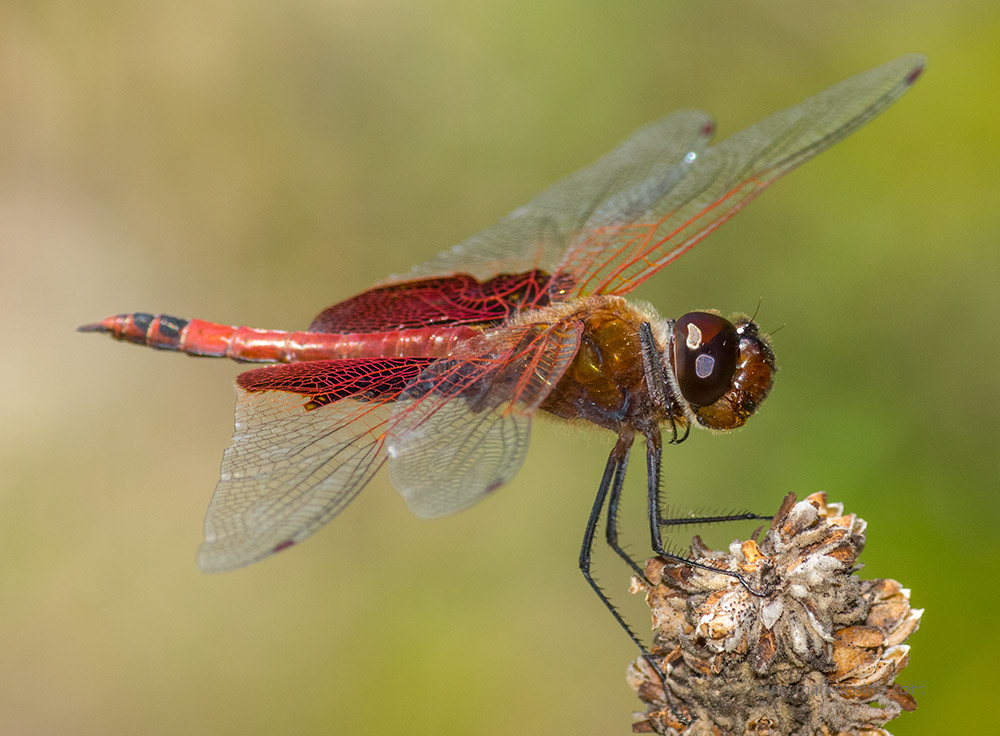
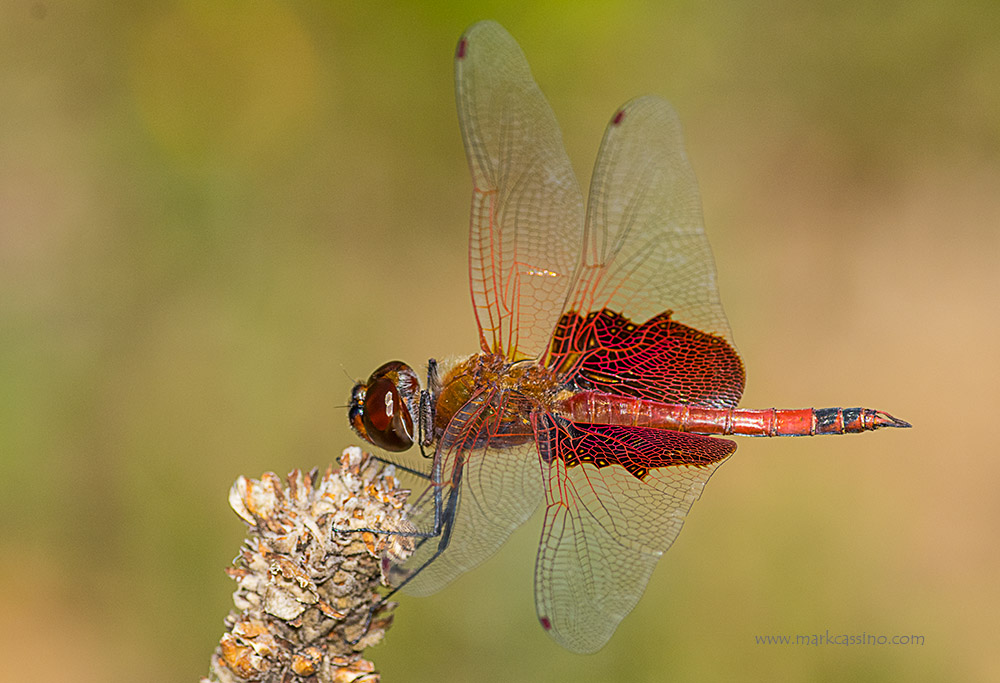
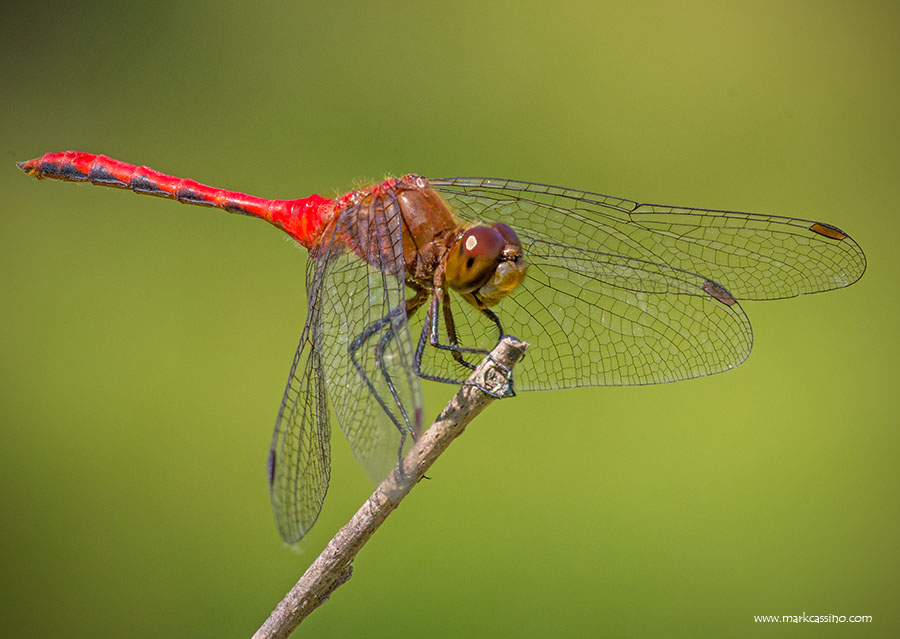
And here are some red dragonflies - the males are red, the females brown. It is very difficult to indentify red dragonflies from photos or simple observation, but I think these are all Autumn Meadowhawks:
This is the first red dragonfly that I encountered. The first shot is OK, but shifting the camera a little results in a better, more high key background. More shots of others follow.


Summer Dragonflies
August 12th, 2012West Michigan sweltered under the great drought of 2012 throughout the early summer, but in late July we began to get sporadic small rain events, in the last week we were blessed with a 24 hour soaker. The brown lawns are now green again, though the stunted and withered crops are unlikely to recover.
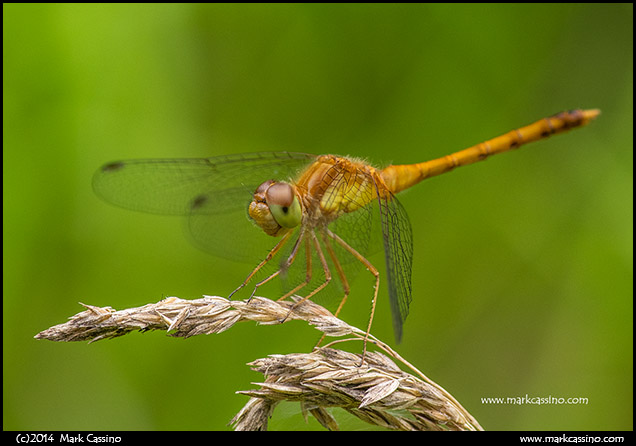
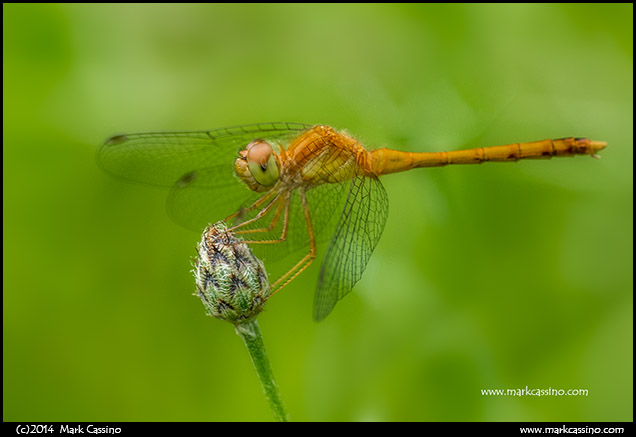
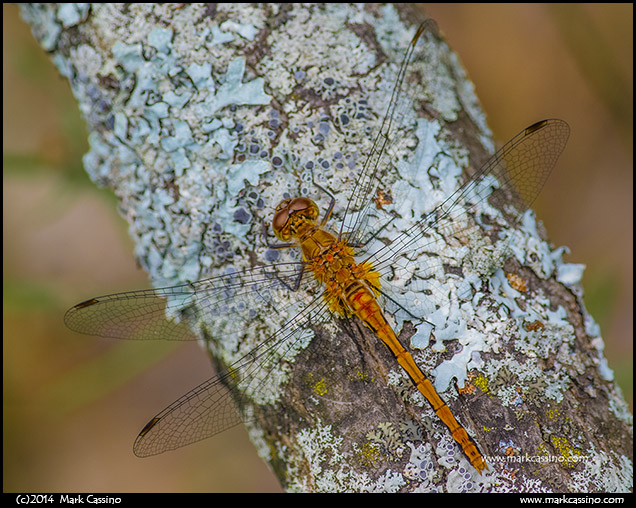
Today I drove out to the Allegan forest to see if the red dragonflies have appeared. Some summers they are early, others they are late. This year, they are running late. In August 2011 the red dragons were well established and darted through the sky like crimson joys. Today I found the undifferentiated yellow amber dragons that someday will turn red, but no bright red subjects yet.
It’s been a while since I posted some dragonfly shots, so here are a few photos from late July and early August. Click on any image for a larger file.
First off - some Blue Dashers - the first two from July, the last one from today:


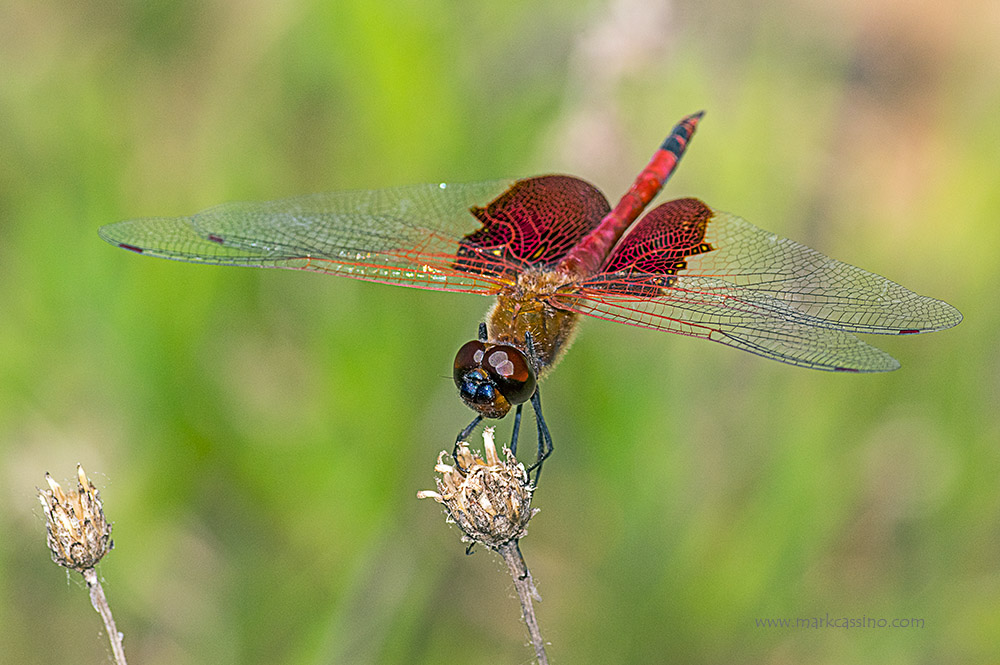
And here is a somewhat rare visitor - a Red Saddlebags. They seldom perch but this one landed high up on a mullein stalk and let me take its photo:

A Green Darner, perched low in vegetation:

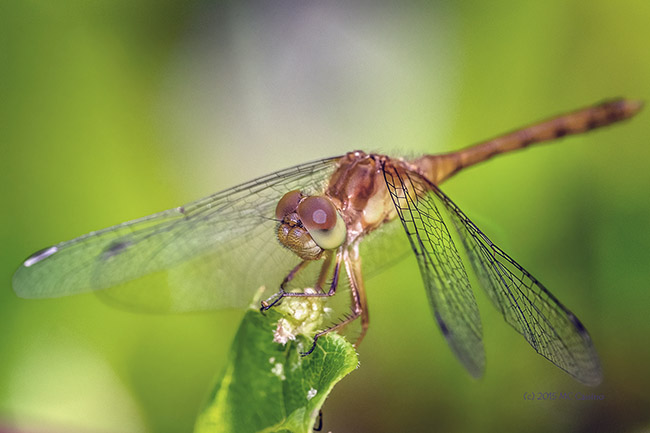
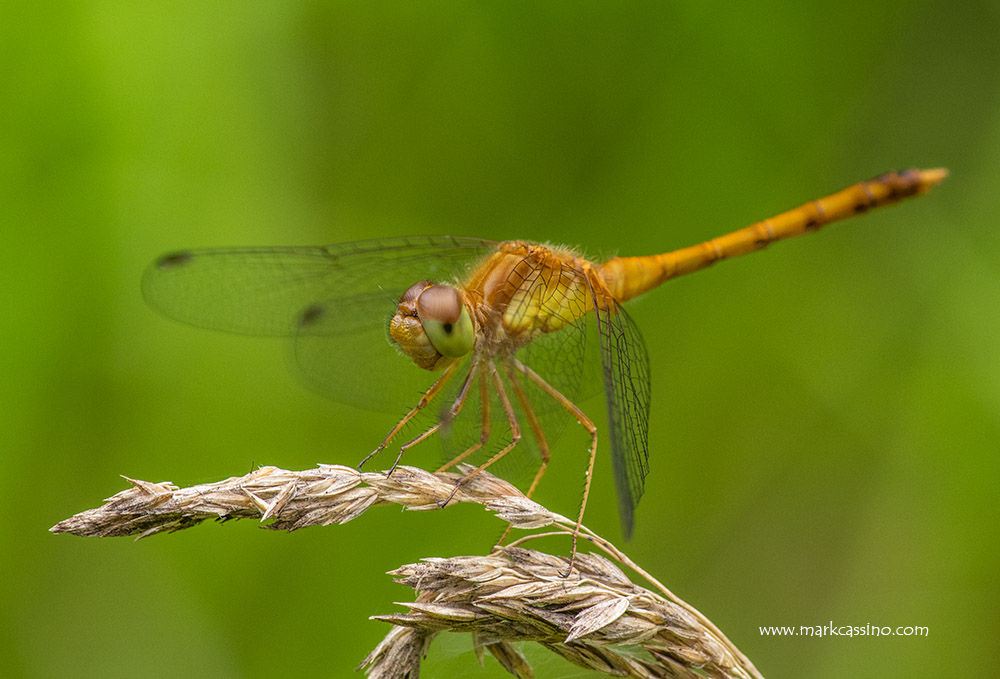
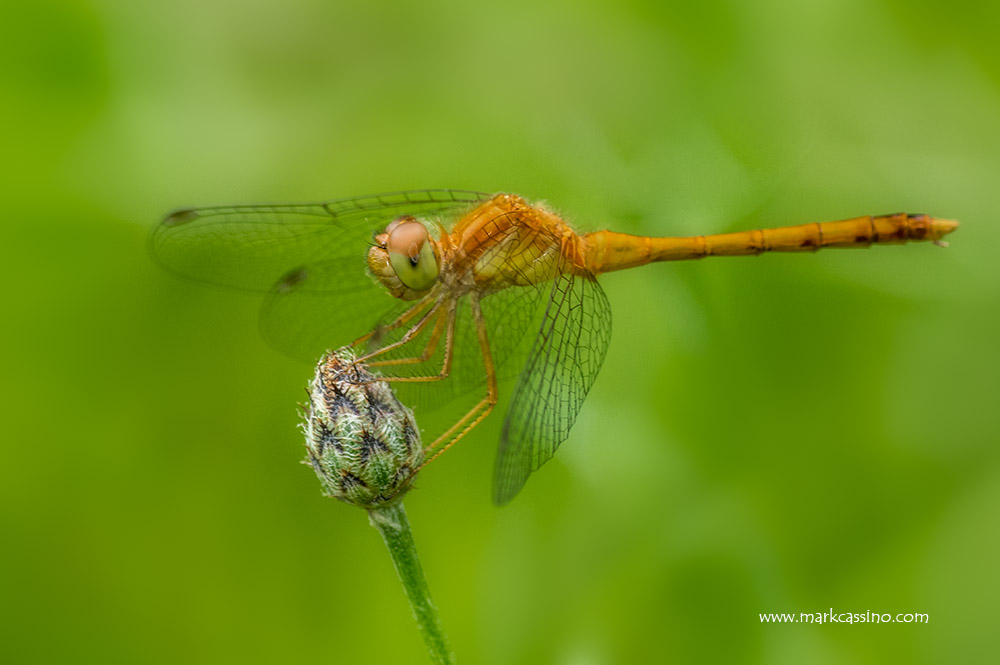
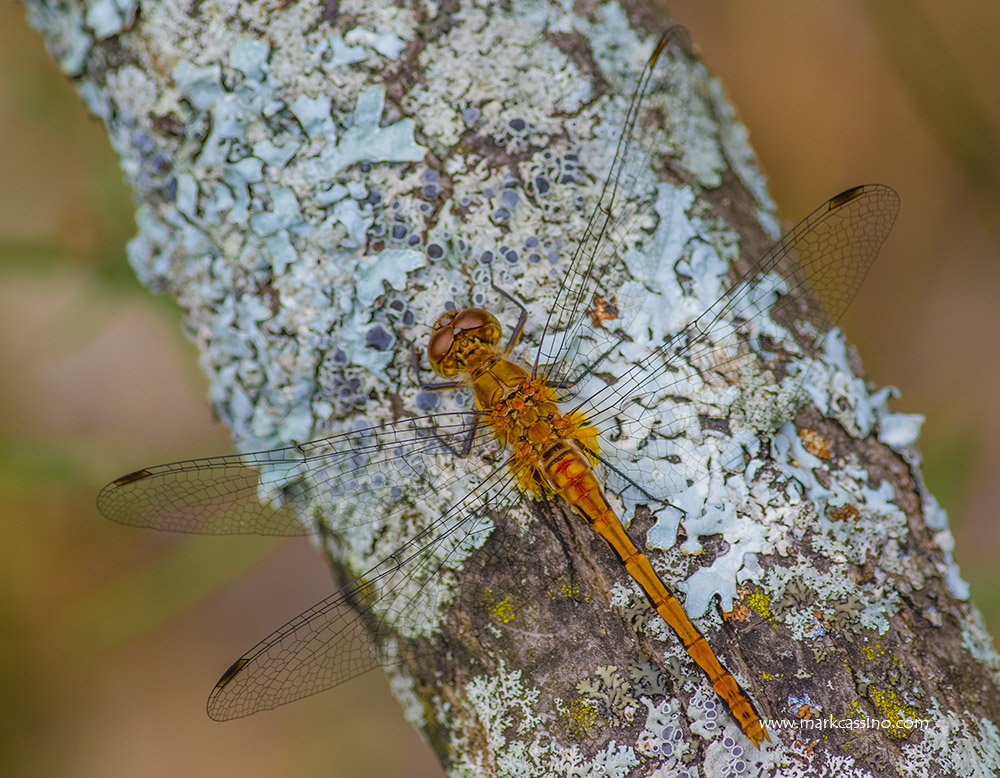
And lastly - the red meadowhawks, still young and yellow or amber, surely to be brilliant red sometime soon:


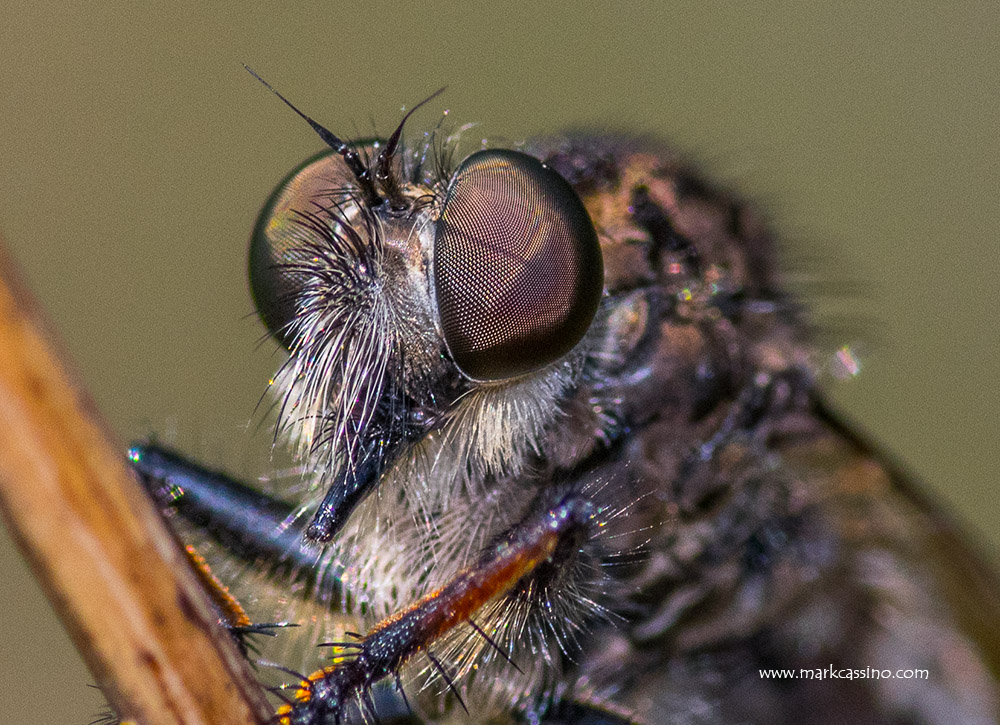
For a detailed look at this guy’s face, click here.

Let’s hope for some brilliant red ones in the weeks ahead!
Early Summer Dragonflies
July 8th, 20122012’s unusually hot and dry June and July have kept the dragonflies (and other critters) at bay, so I have few new shots to share. In the spring this year looked like it would be a great season, but my hopes are shriveling up like the brown grass in the fields. The pond I like to frequent in the ALlegan Foest has dropped over 4 feet from its peak last fall, and may be back on it’s way to becoming the vernal pond that it was when I first found it over 10 years ago.
I’m awaiting the arrival of summer’s red dragons - the various red meadowhawks - but in the meantime here are some lingering early summer species:
I seldom am able to photograph males in the their full glory - blue/grey body, white bands on their wings. Here is a fully matured male and a male starting to mature below:
These are still abundant - male and female shown below.
Let’s hope for a little rain and the arrival of the meadowhawks.
2012 Spring Odonates Part III
June 20th, 2012Well, here it is a couple hours past the summer solstice… a good time to post a few odds and ends of Spring Odonates.
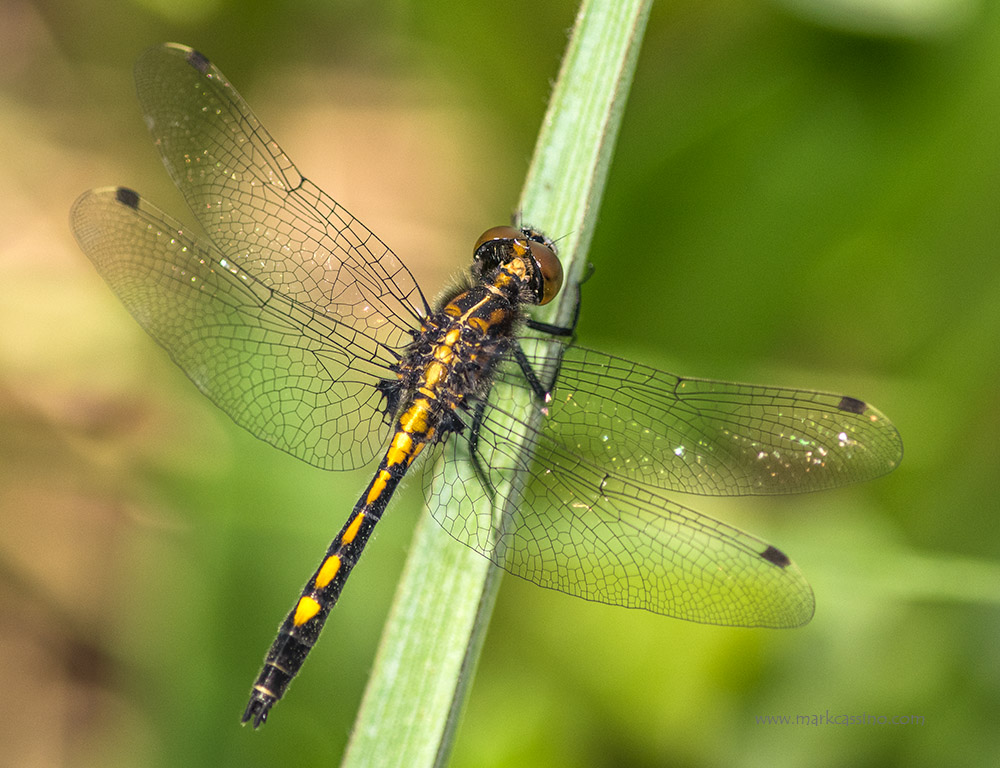
First off - a Dot Tailed Whiteface (Leucorrhinia intacta). These early dragonflies will be fading in numbers soon and in a month will be rare or absent.
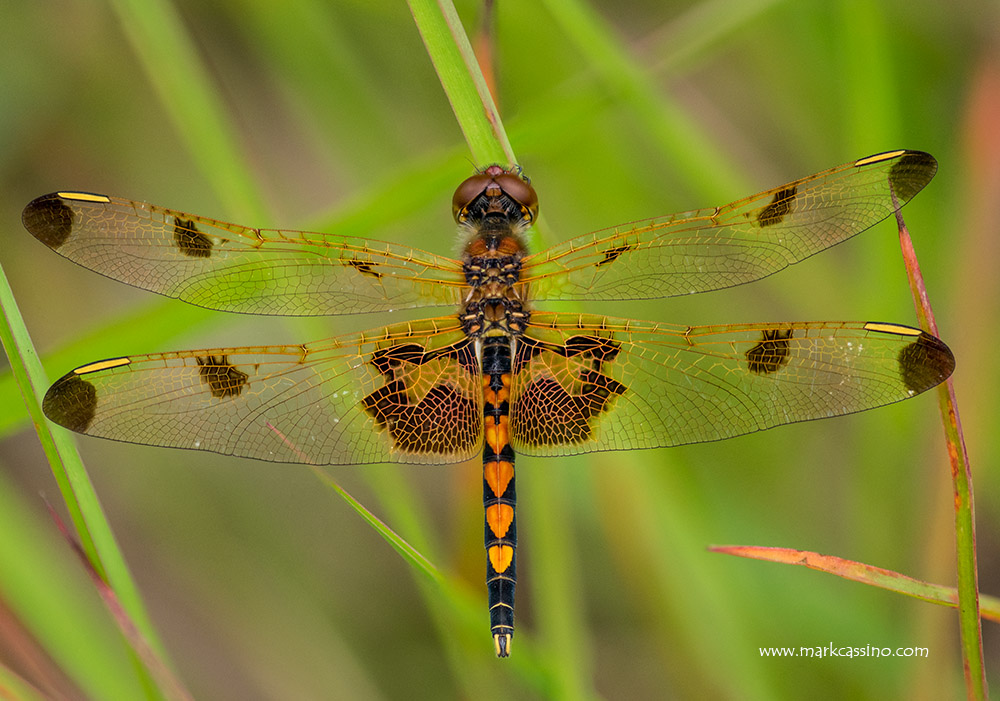
Second - a male Calico Pennant (Celithemis elisa) in his full red colors - even with the red face:
And lastly a male Twelve Spotted Skimmer (Libellula pulchella) - a common but striking dragonfly.
2012 Spring Odonates, Part II
June 3rd, 2012Another installment of spring Odonates…
Since the last post left off with a photo of a female Spatterdock Darner, it seems fitting to open this post with shot of a male:
This is only the third time I’ve photographed one these - several (at least 6) were flying and perching in a field north of the Kalamazoo River in the Allegan game area. Their distinctive blue markings, in particular their blue eyes, make them stunning.
These were abundant everywhere I visited this past week. They are always common, but are particularly numerous this year. So far, I’ve not spotted a mature male with the solid blue body. These are either females or immature males.
A beautiful species and one that likes to perch on the tips of grass stalks - making them fairly easy to photograph. Again, only immatures or females, and no crimson red males yet.
A large dragonfly that I only see in a few places, though it is considered common:
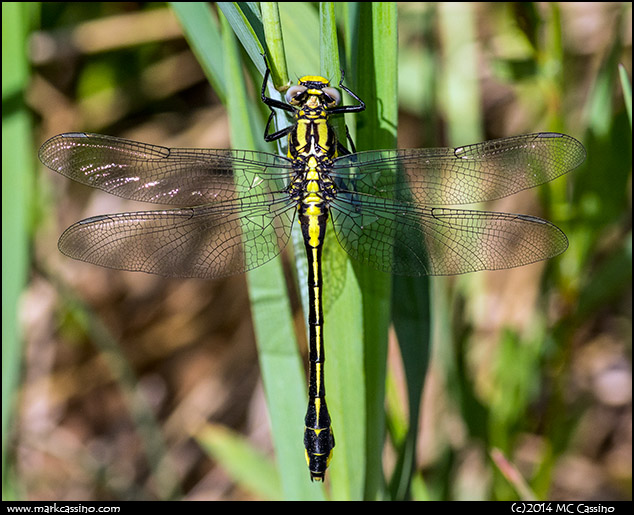
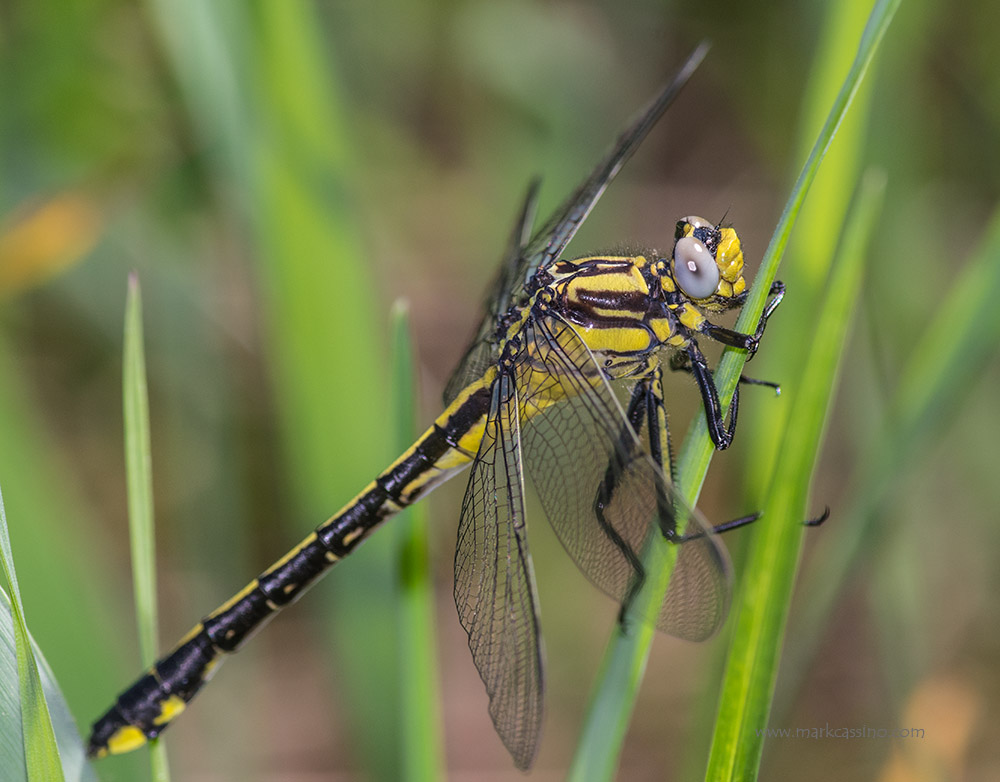
Here’s what I *think* is a Midland Clubtail - these are common in some parts of the Allegan Game Area in the spring. The yellow triangle in the middle of the 9th segment of the abdomen is what I’m keying in on to make this speculative identification:
And here is an unknown clubtail, photographed on the McLinden Nature Trails near Comstock, Michigan:
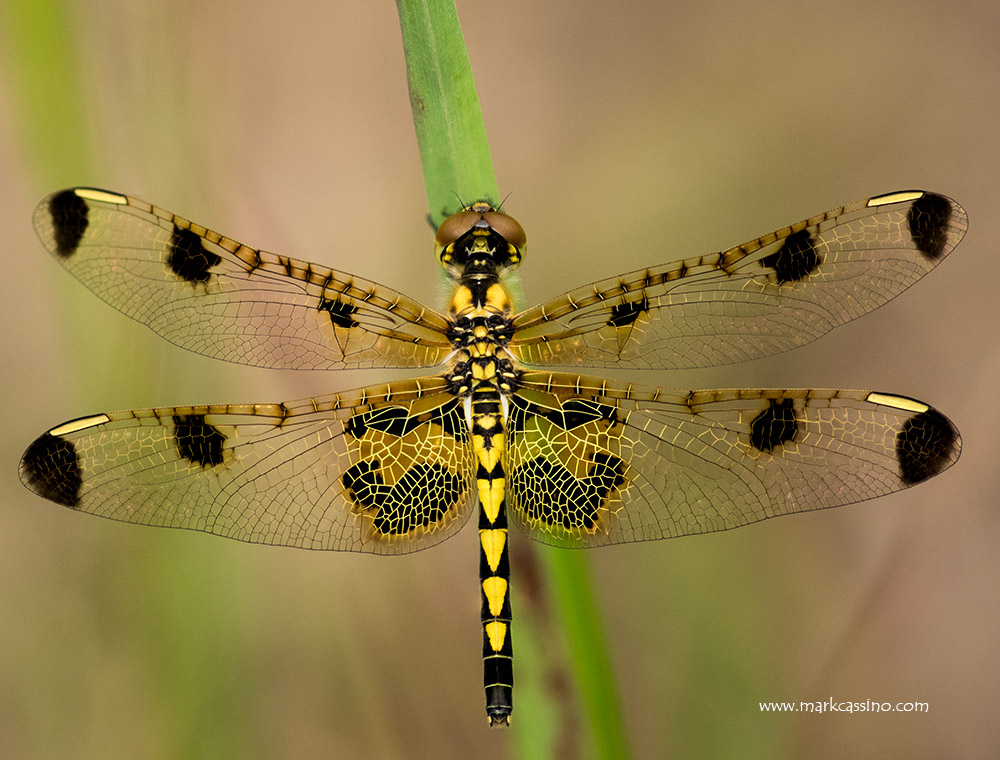
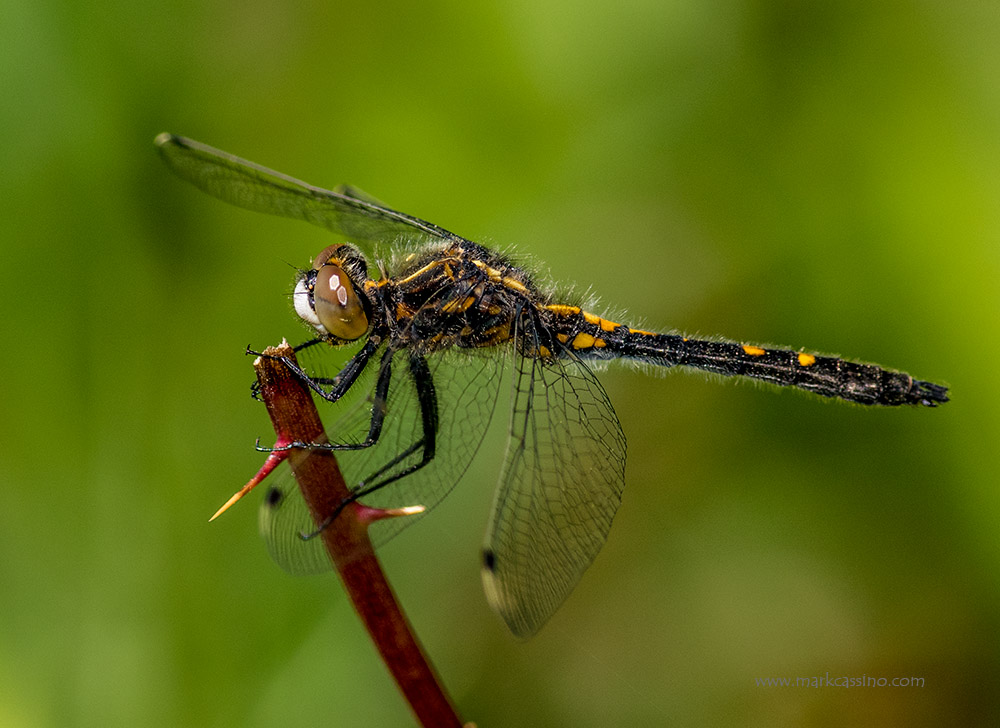
Blue Dashers are quite abundant this year - hard to believe that in a few recent years I seldom saw any mature males. This year they are out in force. Below are some shots of the males with their colorful blue bodies, and females with their striking black and yellow coloration.
2012 Spring Odonates, Part I
May 30th, 2012In southwest Michigan the last days of May long, warm and dry. I made the rounds in some of my favorite insect shooting locations these last few days, and made a few images of spring odonates. Here’s the first installment -
This stunning damselfly appears only in the late spring and early summer, and I just saw the first of this year earlier today. Both of these are males - the females have white spots near the ends of their wings. (Click on images for a larger file.)
These insects are a blend of pure, light absorbing black with incredibly iridescent markings. They also like to hide out in the shadows, but are striking when they venture into bright sunlight. The challenge in photographing them is getting the flash just bright enough to bring up the shadows a bit, but not so bright as to invoke too much iridescence. I’m satisfied with the lighting in both of the shots above, but particularly with the second one, where the insect’s shadow, cast by the sun, is still visible despite the flash. I *think* that the flash was set to minus 4 or minus 5 stops (combination of the on flash exposure compensation and in-body exposure compensation.)
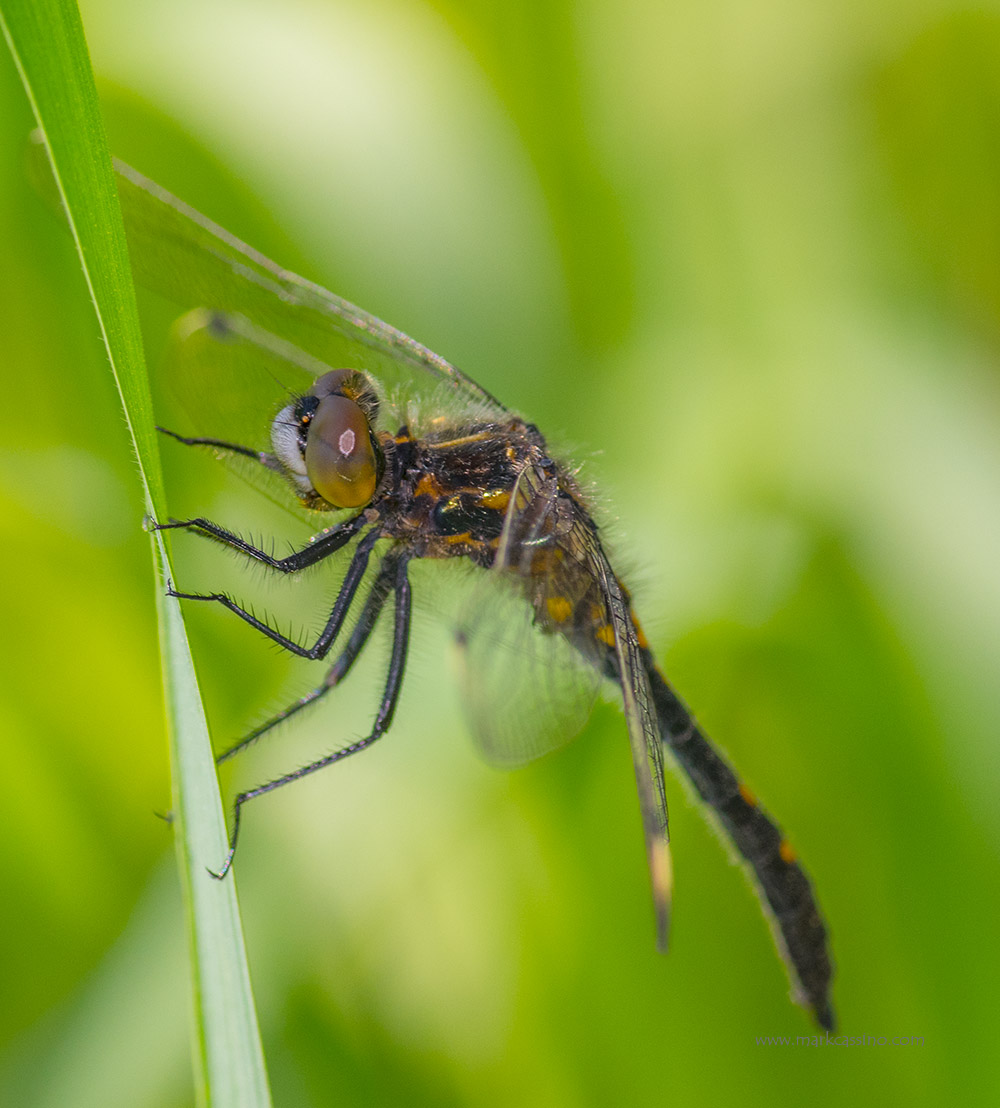
The very first dragonflies to appear in Michigan are often Green Darners that migrate into the state even as early as April. But the Dot Tailed Whitefaces are among the first locally hatched dragonflies to emerge. Although somewhat smaller than many of the pennants and whitefaces that appear in the summer, they share the habit of perching on branches and grass stalks in warm weather. Here’s a shot showing what I believe is a nearly mature male with the dot on the tail becoming visible:
And a couple of other shots of either immature males or females:
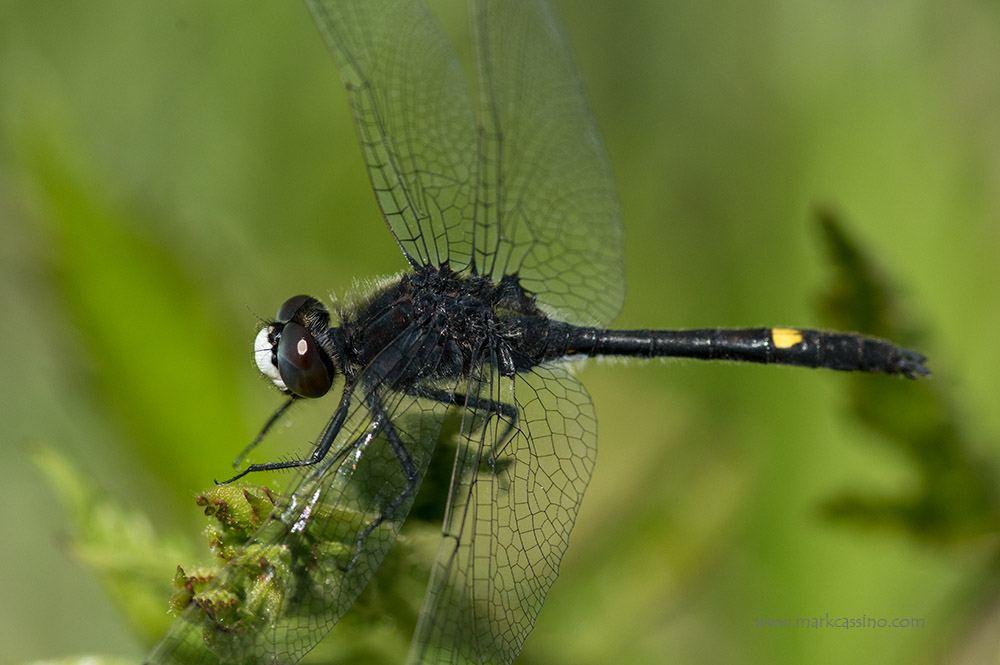
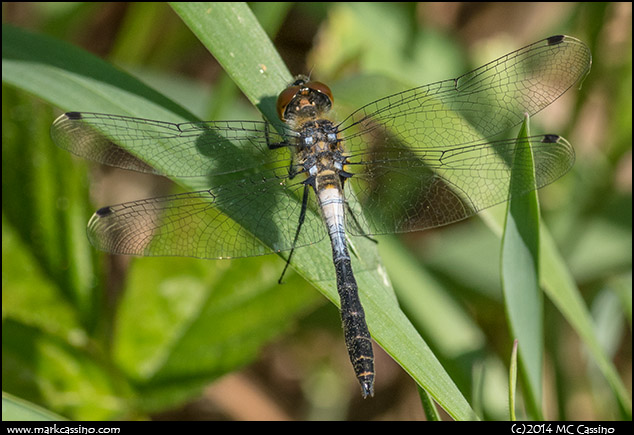
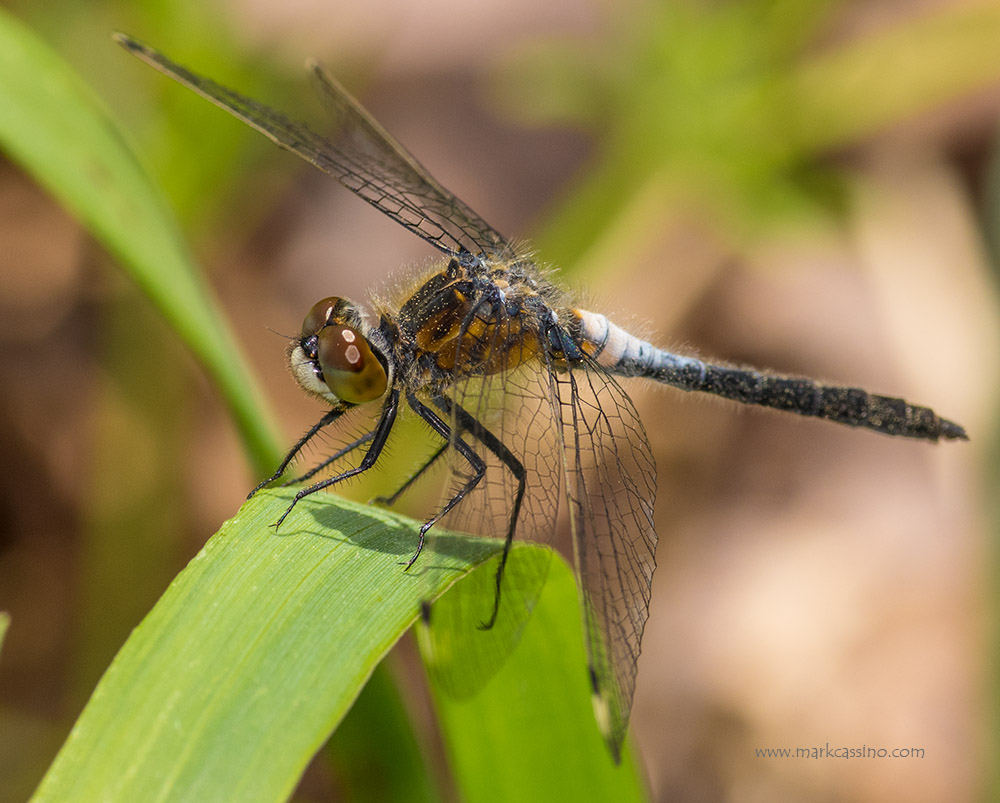
I see these locally much less frequently than the Dot Tails. Or it may just be that I don’t recognize them and confuse them with Dot Tails. Here’s a dorsal shot showing the distinctive white ‘frost’ on the thorax and abdomen that give these critters their name:
And, as I said, it can be difficult to tell the Dot-Tails from the Frosteds. In fact, it is difficult to impossible to clearly identify dragonflies in the field or from photos. Here’s three examples - my guess is that the top two are immature Frosted Whitefaces, since they show some signs of white on the top of the abdomen. As for the third - I can’t say…
And on that note of uncertainty, here is a darner that breezed by me in the Allegan Forest and kindly perched at eye level on a small tree for a few minutes. If I had been thinking I would have tried to get some photos showing the markings on the sides of the thorax, but I was thinking I photographing and just banged away… Well, given the time of year and the markings my best guess is a Springtime Darner, (Basiaeschna janata) - but that is a guess, plain and simple. Update: After a little more research, I’m now leaning towards this being an immature female Spatterdock Darner, Rhionaeschna mutata. I saw several mature males today (May 30), which are much easier to identify. See http://michodo.blogspot.com/2012/05/one-darner-of-day.html for more (and for a better photo than mine.)
Part II in a couple of days … Spangled Skimmers, Calico Pennants, and an unknown Club Tail.
Autumn Dragons, Autumn Bees
October 9th, 2011Autumn is upon us here in west Michigan, but even as the trees turn color several warm, sunny day shave descended upon us. I have a new camera - a Pentax K5 - and so this weekend I set out to run it through its paces with a series of insect macros.
Yesterday it was the Allegan Forest. Autumn is the only time of year when you really can’t be alone in the forest. Hunters converge on the game areas and it’s hard to find a quite place where you can stomp around on your oddy knocky. But I was fortunate that no one was hunting in my favorite field off 48th Street, and I wandered through it and down to the pond.
The grass was all brown and ochre with autumn color, and a fair number of the trees were changing already. Summer’s dragons have fled the field - it is amzing how quickly they vanish when the days get short. All we have are autumn meadowhawks - here are three shots from this visit, I have a few more to post later:


At home my weed garden is bursting with autumn asters. We have several tall blue asters - 6 to 8 feet tall - and two variants of white asters. Bees converge on this small patch of flowers - a feast has been prepared for them at a time when they need it the most. Dozens (if not hundreds) of honey bees and bumble bees keep the flowers dancing on warm days like today. So, here are to snaps of honey bees - good ole apis mellifera - may they thrive:


Out Standing In a Field
August 9th, 2011Last Saturday my wife went to her high school reunion in the small northern Michigan town where she was raised. I agreed to go along, but having been to these class reunions before I decided to just spend the day knocking about the countryside, looking for places to photograph. I didn’t’ know it at the time, but I was in for a real treat…
My wife was attending the reunion with her lifelong friend, and her friend’s father owns a working farm about 20 miles out of town. He offered to show me a more wild area of the farm - an area left for deer hunting in the fall, where beavers have dammed up a small creek and made a little pond in a low place.
I followed him out into the Newaygo County countryside. A ways out he turned onto a small two-track leading back into some fields. The road cut into a small wooded area and then ended at the edge of a hay field, a few weeks past its last mowing. We then drove directly across the field, through one low laying area near the beaver pond, and into a small field, also a few weeks past cutting. That’s where we stopped - and where I stayed for several hours.
Here’s a pano of the field where I spent the afternoon - click here for a much larger view. (This is made from 9 stitched together hand-held shots taken with a Nikon P6000.)
And here is a shot of the beaver pond… The pond straddles the boundary with a neighboring farm, and a barbed wire fence - not really visible in the web-sized image here - runs through the middle of it:

The field inthe pano is visible in this shot of the pond - it is the small area in the upper center of the fram, just above the pond and to the right of the large, dark mass of trees.
The owner of the farm went on his way after leading me back to this place. After a few minutes I spotted lots of dragonflies and other interesting subjects, and decided to start shooting. It has been some time since I found red meadowhawks in abundance, but I found a lot of them here. Here are a couple shots of Whitefaced Meadowhawks:


It is virtually impossible to identify most meadowhawks from photos - or even from casual observation - so I don’t know what this one is, but his bright red face is striking:

Here are two more unidentified red males:


And of course - for every male there is a female, more or less. Here are three females (or immature males) who retain a yellow-brown coloration:


And lastly a close-up of a summer coneflower:

It was a fabulous place to visit and I really enjoyed spending some very quiet hours out in the fields.
Reparo! A* 200mm Macro Lens is Back!
July 30th, 2011A while back I mentioned that my main workhorse lens - a Pentax A* (star) 200mm f4 ED - had stopped working. I sent it to Pentax Repair, who were unable to repair it due to a lack of parts., and so they returned it as it was.

Enter Eric Hendrickson at pentaxs.com… He disassembled the lens and, determined that it was essentially worn out A crucial part that operated the aperture blades had several hole worn out of round, and it was the primary reason why the aperture mechanism was no longer functioning correctly. But the lens. This lens has seen heavy use since I bought it new in 1998, and that use had caught up with it. In addition, several internal screws had simply worked their way loose over the years, making disassembly of the lens a real problem.

Since parts were not available Eric found somebody who could fabricate the worn out piece. There was no guarantee that it would work but I was willing to pay up front on the hope that it would. A few weeks later the lens arrived and is working like new! The shots in this post were taken with the repaired lens - it is meting accurately and the aperture blades are running smoothly! Since there is no longer any 200mm class macro lens made for Pentax, it was well worth the repair. All in all, the repair cost less than half of the only close match to the 200mm macro - which as of this writing is still not available.

Eric proved to be a great resource and I have more stuff to send his way. He can be reached at pentax27@aol.com.

And just a few more photos …